






The Hidden Burden
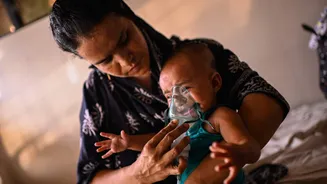
Childhood cancer tragically remains the tenth leading cause of death for young individuals in India, with an estimated 17,000 lives lost in 2023 alone.
This figure is particularly stark when contrasted with global trends where mortality rates are declining. The sheer scale of new cases is staggering, with estimates ranging from 50,000 to 75,000 annually, though accurate data is scarce as cancer registries only cover a fraction of the population. This situation mirrors the global disparity where low- and middle-income countries bear the brunt of childhood cancer deaths. Despite many childhood cancers being highly treatable, India's survival rates lag significantly due to systemic issues. The current focus of national cancer control efforts is predominantly on adult cancers, leaving paediatric oncology in a precarious position, often overlooked in public health planning and resource allocation.
Barriers to Care
A critical hurdle in addressing childhood cancer in India is its 'nebulous' position within public health priorities, with national strategies heavily favouring adult cancer types. This oversight is exacerbated by profoundly weak surveillance systems and a pervasive issue of underdiagnosis. Frontline healthcare providers often lack the uniform training and resources to swiftly identify the early warning signs of childhood cancers. Furthermore, specialized paediatric oncology services are predominantly concentrated in urban medical centres, creating a significant geographical and logistical barrier for families residing in rural or remote areas. This geographical disparity inevitably leads to delayed diagnoses, protracted referral pathways, and ultimately, postponed treatment initiation. The resulting inequalities, particularly those stemming from financial constraints and logistical challenges, profoundly impact patient outcomes, frequently leading to children presenting with advanced-stage disease and a substantial proportion discontinuing treatment prematurely due to various socio-economic pressures.
Seeds of Hope
Despite the daunting challenges, compelling evidence suggests that India's childhood cancer burden is not an insurmountable crisis. Where timely diagnosis is achieved and treatment is pursued without interruption, survival rates, particularly for common childhood leukaemias, have seen notable improvements. This success story underscores the immense potential for better outcomes if the right systems are in place. The path forward necessitates a comprehensive scaling-up of efforts. This includes the critical integration of paediatric oncology into the mainstream of national cancer control strategies, alongside the expansion of decentralized treatment facilities to bring care closer to patients. A crucial component will be enhancing the capacity of frontline healthcare providers to accurately recognize early indicators of childhood cancers. Simultaneously, the development of robust data collection systems is paramount for better monitoring and planning. Continued research into the genetic and environmental factors influencing paediatric cancers is also vital. India's active participation in global initiatives, such as the World Health Organization's childhood cancer program, provides a valuable framework and roadmap for progress, emphasizing the need to translate current incremental gains into equitable and improved survival outcomes for all children.