


Fashion's Literary Embrace
A significant shift is occurring where the worlds of high fashion and literature are intertwining, creating a novel aesthetic. Brands are now incorporating
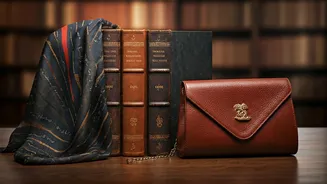
literary motifs, such as embroidered classic book covers and miniature replicas of novels, into their collections. These designs are not merely decorative; they serve as elaborate storytelling devices, allowing wearers to subtly communicate their intellectual inclinations and cultural leanings. This trend signifies a broader movement where personal style is increasingly viewed as a canvas for expressing deeper values and interests, with literature now a prominent element in this form of self-representation. The integration of literary themes into luxury goods elevates them beyond mere commodities, transforming them into badges of cultural capital and sophisticated taste.
Book Charms as Status
The emergence of 'book charms' has redefined how literary interest is displayed. These aren't full-sized books meant for reading, but rather small, meticulously crafted replicas designed to be attached to handbags or worn as accessories. They function as potent status symbols, reflecting not just an appreciation for literature, but a connection to a certain lifestyle and intellectual milieu. The allure lies in the symbolism; carrying a miniature classic or a recognizable literary title becomes a subtle yet powerful declaration of one's personality and interests. This trend capitalizes on the desire for unique self-expression, allowing individuals to curate an image that speaks volumes about their engagement with culture and ideas. The high price point associated with some of these designer items further accentuates their exclusivity and desirability as markers of elevated taste.
Gen Z and DIY Culture
Younger generations, particularly Gen Z, are playing a pivotal role in popularizing this literary fashion movement. Their embrace of individuality and creative self-expression has fueled a DIY culture around these trends. While luxury brands offer curated literary accessories, many young consumers are inspired to create their own versions, demonstrating adaptability and a desire for personalization. Online platforms are awash with tutorials for crafting miniature book charms, often using affordable materials, allowing a wider audience to participate in the aesthetic. This DIY approach democratizes the trend, ensuring that the spirit of literary appreciation is accessible beyond the luxury market, fostering a sense of community and shared creative endeavor among enthusiasts seeking to personalize their style.
Self-Expression and Identity
At the core of this burgeoning literary fashion movement is the concept of self-expression and the construction of personal identity. Brands are tapping into the idea that modern consumers, especially younger demographics, are seeking ways to articulate who they are through their style choices. The selection of a particular book or author as an accessory becomes a deliberate act of self-definition, communicating values, aspirations, and a connection to specific cultural narratives. For instance, a charm representing a novel about overcoming adversity might signify resilience, while one depicting a story of cultural heritage could highlight identity. This trend allows individuals to curate a sophisticated and thoughtful persona, demonstrating that their interests extend beyond superficial aesthetics into deeper intellectual and emotional realms, making their fashion choices a powerful tool for self-narration.
Literary Fashion's Global Reach
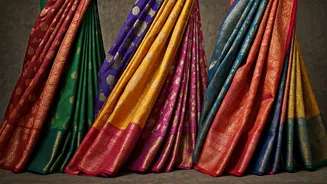
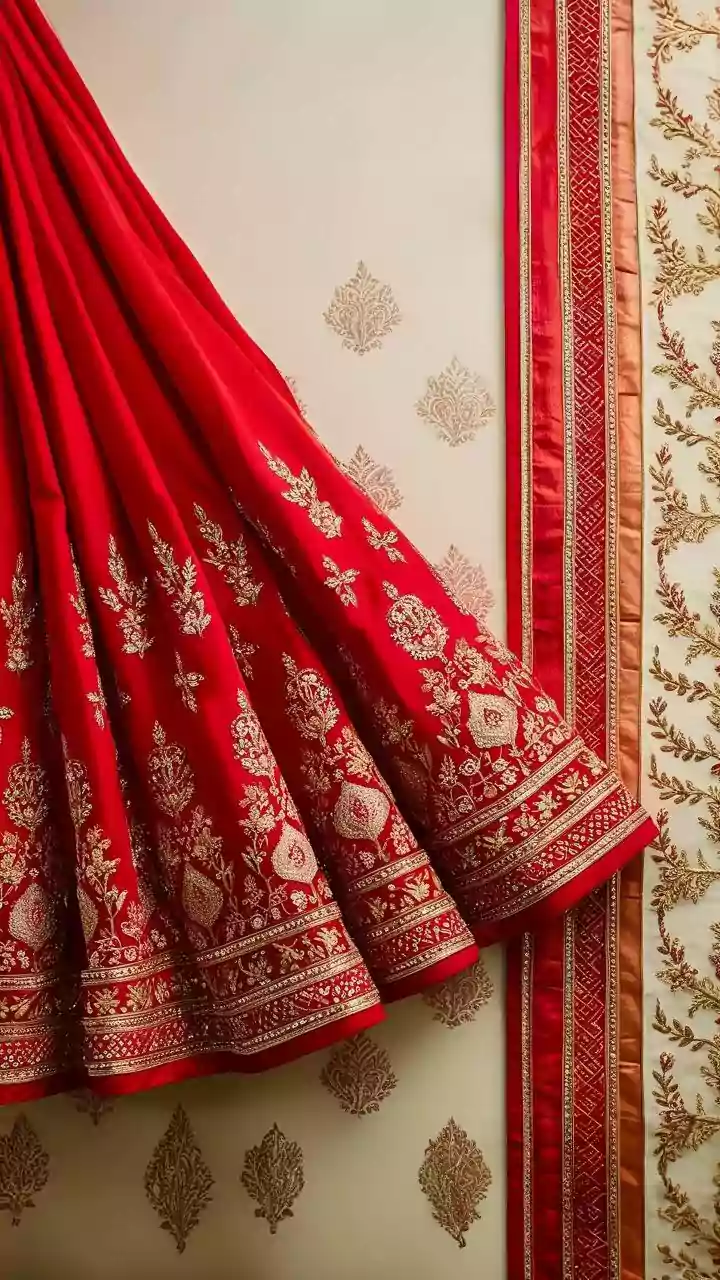
The appeal of literary fashion is not confined to Western markets; it's also gaining significant traction in India, where a unique blend of cultural symbolism and market dynamics is at play. While luxury brands offer high-end literary-themed merchandise, the Indian market often sees these aspirations democratized through accessible replicas and localized adaptations. This means that literary imagery can circulate more broadly, permeating various strata of society. Furthermore, India has a rich history of expressing literature through textiles and accessories, from poetry-emblazoned dupattas to book quote jewelry. The rise of social media platforms like BookTok and Bookstagram has further amplified reading as a public display of identity, transforming it from a private pursuit to a visible lifestyle choice. This evolving landscape suggests that literary fashion in India is becoming an integral part of carrying cultural heritage and personal narratives.
The Aesthetic vs. The Act
The fundamental question arising from this trend is whether the adoption of literary fashion translates into genuine engagement with reading. While book-themed accessories are undoubtedly fashionable, they more effectively make 'being seen as a reader' a trend rather than necessarily encouraging actual reading habits. However, this performative aspect might not be entirely detrimental. Cultural trends often begin as aesthetic movements before evolving into deeper engagement. The increased visibility of literature through fashion ensures its continued relevance in social discourse. Even symbolic representation keeps books and their associated ideas in the public consciousness, potentially sparking curiosity and leading to more substantive engagement with literary works over time, blurring the lines between aesthetic appreciation and intellectual pursuit.