






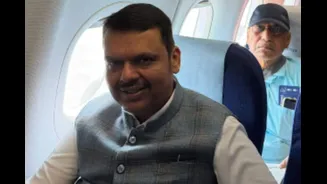
A Leader's Austerity
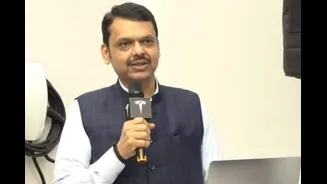
In a notable display of solidarity with Prime Minister Narendra Modi's urgent appeal for fuel conservation, Maharashtra Chief Minister Devendra Fadnavis
opted to travel in an IndiGo economy class flight. This decision was made during a period of escalating global tensions in West Asia, which have a direct impact on fuel prices and India's economic stability. The Chief Minister's journey from Pune to Bengaluru served as a visible testament to the government's commitment to austerity and responsible resource management. This move underscores the importance of collective responsibility in navigating economic challenges, especially those stemming from international crises that affect fuel imports and foreign exchange reserves. The Prime Minister's earlier address highlighted the need for citizens and institutions to adopt more prudent practices to safeguard the nation's economy.
Broader Austerity Measures
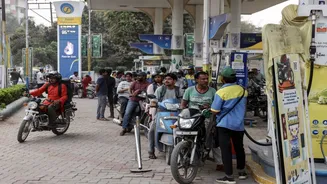
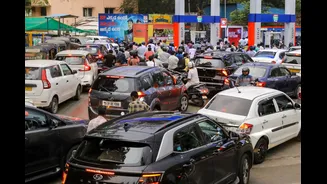
The Prime Minister's call for conservation has resonated beyond individual actions, prompting discussions and the implementation of broader austerity measures across government sectors and the corporate world. Both government departments and India Inc. are actively engaged in contemplating and developing contingency plans. These include the establishment of fuel conservation mechanisms and the imposition of stricter controls on non-essential expenditures. The growing concerns over rising crude oil prices and the potential for supply disruptions have accelerated these initiatives. Reports suggest that even the Prime Minister has scaled down the size of his official convoy, a move aimed at reducing fuel consumption, and is encouraging the increased adoption of electric vehicles for official duties, signaling a commitment to sustainable transportation solutions at the highest levels.
Power Ministry's Initiative
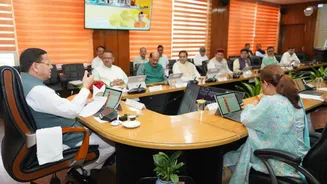
Aligning with the national emphasis on judicious resource management and fuel efficiency, the Power Ministry is set to introduce a comprehensive set of measures. These initiatives are specifically designed to curtail fuel consumption and encourage more sustainable travel practices among its employees. As a foundational step, the ministry plans to implement a rotational work-from-home model for approximately 20 percent of its workforce, commencing on a designated Monday. This strategy aims to significantly reduce daily commuting, thereby limiting the use of vehicles for non-essential travel and contributing to overall fuel savings. The introduction of such policies within a key ministry signals a systemic effort to embed conservation principles into the daily operations of government bodies.
Political Reactions and Appeals
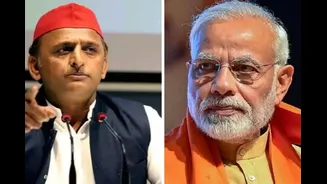
The Prime Minister's appeal for austerity and fuel conservation has also generated significant political discourse. Opposition leaders, including prominent figures like Sharad Pawar and members of Maharashtra's Maha Vikas Aghadi coalition, have voiced their concerns regarding the prevailing fuel price hikes. They argue that austerity measures should commence with those in positions of power, suggesting a need for leaders to set a clear example. While the government emphasizes collective responsibility and conservation in the face of global economic pressures, political factions are using the situation to highlight existing grievances and demand accountability. This dynamic interplay between government initiatives and opposition critique shapes the broader national conversation around economic policy and public welfare.