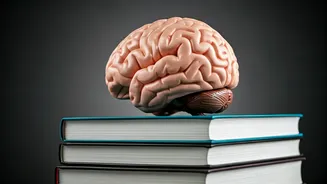

Defining Human Capital
Human capital essentially refers to the skills, knowledge, and health that individuals possess, which can then be utilized for productive work. In India's
context, developing and improving human capital is critical for economic success. This involves various sectors, including education, healthcare, and skill development programs. Such initiatives are aimed at enhancing the capabilities of the workforce. When human capital is strong, it significantly boosts the productivity and innovation capacity of the economy. The more educated, skilled, and healthy a population is, the more they contribute to economic output and societal advancement. Therefore, focusing on human capital is essential for India to achieve sustainable and inclusive growth. It goes beyond mere financial investments; it is an investment in the nation’s people, promising long-term benefits in terms of economic prosperity and well-being. This perspective underscores the need for policies that support the growth and development of human capabilities across all strata of society.
Investing in Education
Education is an absolutely essential aspect of building strong human capital. A well-educated populace is better equipped to adapt to evolving job markets and contribute meaningfully to the economy. India has undertaken various measures to improve education at all levels, from primary schooling to higher education. These initiatives aim to increase literacy rates, enhance the quality of teaching, and expand access to educational opportunities, especially in underserved areas. Furthermore, promoting vocational training and skill development programs is vital. These programs bridge the gap between education and employment, ensuring that individuals acquire the practical skills needed for success in various industries. By strategically investing in education, India can cultivate a skilled workforce ready to meet the challenges of the 21st century. It allows the nation to enhance its competitive advantage in the global landscape while creating opportunities for social mobility and economic empowerment among its citizens.
Healthcare's Crucial Role
Healthcare plays a significant role in determining the quality of human capital. A healthy population is more productive and can contribute more effectively to economic activities. In India, improving healthcare infrastructure, especially in rural regions, is crucial. This involves enhancing access to quality medical services, ensuring the availability of essential medicines, and promoting health awareness. Investing in preventive healthcare, such as vaccination programs and regular health check-ups, can significantly reduce the burden of diseases and promote overall well-being. Additionally, addressing issues such as malnutrition, particularly among children, is vital. Proper nutrition is fundamental for physical and cognitive development, impacting the workforce's future productivity. These healthcare initiatives not only improve the quality of life but also lead to a healthier workforce, capable of driving economic growth and contributing to the nation's overall development. Emphasizing healthcare strengthens the nation's capacity to thrive by laying a solid foundation for its people's well-being and productivity.
Skill Development Initiatives
Skill development is another essential component of human capital enhancement. As technology continues to evolve, the demand for specialized skills is ever-increasing. Initiatives focusing on imparting technical and vocational skills are extremely important. These programs equip individuals with practical knowledge applicable to various industries. Encouraging industry-specific training, in collaboration with businesses, ensures that the skills being taught are relevant to the needs of the job market. Furthermore, providing opportunities for continuous learning and upskilling is essential for adapting to changes in the workplace. Digital literacy programs and training in emerging technologies are particularly important, as they enable the workforce to be ready for the future. By investing in skill development, India can cultivate a workforce that is well-prepared, adaptable, and competitive in the global economy. This creates opportunities for employment, entrepreneurship, and economic growth, further solidifying the country's position on the world stage.
Impact on Productivity
The relationship between human capital and productivity is direct and significant. An educated, skilled, and healthy workforce is generally more efficient and generates greater output. Investments in education, healthcare, and skill development contribute directly to increased productivity levels. Educated workers are generally better at problem-solving, critical thinking, and innovation, which translates to enhanced efficiency and higher quality of work. Healthcare interventions reduce absenteeism due to illness and improve the overall health of the workforce. Skilled workers can utilize advanced technologies and techniques, thereby boosting productivity. Furthermore, a productive workforce attracts foreign investment and spurs economic growth. It helps India increase its competitiveness in global markets. When the human capital base is strong, businesses are able to achieve higher levels of output with fewer resources, leading to increased profits and contributing to the overall economic well-being of the nation. This underscores the need for continuous investment in human capital as a key driver of sustained economic progress.
Innovation and Growth
Human capital is also a key driver of innovation and economic growth. A skilled and educated workforce is crucial for generating new ideas, developing innovative products, and promoting technological advancements. Increased investment in research and development, along with a focus on fostering a culture of creativity, can lead to breakthroughs across various sectors. The presence of a highly skilled workforce allows for the adoption of new technologies and accelerates their implementation. Innovation stimulates economic growth by creating new markets, enhancing productivity, and improving living standards. In India, promoting entrepreneurship and providing support for startups can fuel innovation. This environment cultivates a mindset of experimentation and risk-taking, which is essential for driving progress. By strategically investing in human capital, India can create an ecosystem that nurtures innovation, encourages economic growth, and enhances its global competitiveness. Ultimately, a focus on innovation ensures long-term sustainability and prosperity for the nation.