





Fatty Liver Beyond Alcohol
Contrary to popular belief, fatty liver disease is not solely linked to excessive alcohol intake. Non-alcoholic fatty liver disease (NAFLD) is increasingly
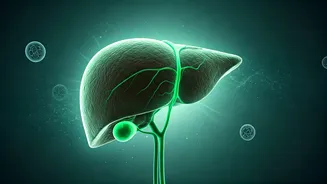
prevalent and primarily stems from metabolic dysfunctions such as insulin resistance, obesity, high cholesterol, and high blood pressure. This condition involves the accumulation of excess fat within liver cells, which can trigger inflammation and, over time, lead to more serious liver damage like cirrhosis or even liver cancer. Understanding that NAFLD can affect individuals who consume little to no alcohol is crucial for early detection and management.
Weight Loss: A Liver Reversal
A significant and encouraging fact about fatty liver disease is its reversibility, particularly through weight loss. For individuals diagnosed with NAFLD, shedding even a modest amount of weight, specifically 5-10% of their total body weight, can lead to a substantial reduction in liver fat, inflammation, and fibrosis. This underscores the profound impact that adopting a healthy diet and engaging in regular physical activity can have on not only managing overall body weight but also on directly improving liver health and function.
The Liver's Regenerative Might
The human liver possesses an extraordinary capacity for self-regeneration. Even when a substantial portion of the liver is compromised or removed, it has the remarkable ability to grow back to its original size and function. However, this regenerative power is not infinite. Chronic or excessively severe damage can overwhelm the liver's repair mechanisms, leading to irreversible scarring known as cirrhosis, which significantly impairs its ability to function and heal.
Early Detection is Key
A critical aspect of managing fatty liver disease is its often-silent progression in the early stages. Symptoms may be absent or very subtle, making regular health check-ups essential, especially for individuals with known risk factors. These risk factors include being overweight or obese, having diabetes, or a family history of liver ailments. Utilizing diagnostic tools like blood tests and various imaging techniques can aid in the early detection of the condition, allowing for timely intervention.
Lifestyle: The Cornerstone
Ultimately, maintaining optimal liver health hinges on adopting and sustaining a healthy lifestyle. This encompasses a diet rich in fruits, vegetables, and whole grains, while minimizing the intake of processed foods and sugary beverages. Regular physical activity is equally important, as is the conscious avoidance of excessive alcohol consumption. Effectively managing underlying health conditions such as diabetes and high blood pressure is also paramount in safeguarding the liver's well-being and preventing the onset or progression of liver diseases.