
Myths vs. Realities
Many misconceptions surround senior living in India. One prevalent myth is that senior living is synonymous with isolation or abandonment by family. However,
the reality is more nuanced. Community living, in particular, offers social interaction, support, and access to services designed for the elderly. Another myth suggests that senior living is only for the wealthy, which overlooks the growing range of options, including affordable housing and government schemes. Conversely, the notion that aging automatically implies a decline in health and activity levels is also not entirely accurate. Many seniors remain active and engaged, pursuing hobbies and contributing to society. Senior living options cater to diverse needs and preferences, dispelling the belief that there is a one-size-fits-all approach to aging gracefully. The evolving landscape reflects changing values, where independence and active participation are prioritized, debunking old-age stereotypes.
Choosing Community Living
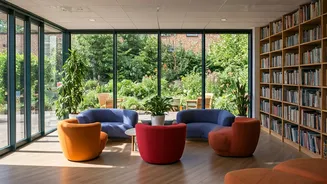
Community living is gaining popularity among India's seniors, offering a holistic approach to life. It moves beyond mere housing to provide social interaction and a sense of belonging, which combats loneliness. These communities often include amenities like recreational facilities, wellness programs, and healthcare services, catering to the specific needs of senior citizens. Moreover, community living facilitates easier access to support networks. Residents have readily available assistance and companionship, creating an environment that encourages engagement and prevents isolation. These communities also provide opportunities for shared experiences, such as cultural events, group outings, and volunteer activities, nurturing a sense of purpose and belonging. The transition to community living can be eased by resources for relocation, financial planning, and emotional support. By fostering a sense of camaraderie, these communities allow seniors to maintain their independence while benefiting from a supportive social network, making life post-retirement richer and more meaningful.
Redefining Life After Retirement
Retirement is often perceived as an end, but for many Indian seniors, it's a new beginning. It's a time to explore passions, learn new skills, and connect with communities. This phase offers an opportunity to prioritize health and well-being, focusing on physical fitness and mental wellness. Seniors are increasingly engaged in lifelong learning, pursuing hobbies like painting, gardening, or joining book clubs. Volunteering is another avenue for contributing to society and staying active, offering a sense of purpose and fulfillment. Many seniors are also embracing entrepreneurship, starting businesses that align with their interests and experience. This active lifestyle involves managing finances carefully, planning for healthcare needs, and making informed decisions about housing. By redefining life after retirement, seniors are challenging the stereotypes, demonstrating that aging can be a period of growth, engagement, and meaningful contribution. This encourages a shift in perspective, embracing the unique opportunities and possibilities that come with this stage of life.
Future of Purposeful Ageing
The future of senior living in India is oriented towards embracing purposeful aging, focusing on the well-being and active participation of the elderly. Trends indicate a rise in specialized housing options and services catering to the diverse needs of seniors, including those with specific health conditions. Technology will play a greater role, with smart home systems, telehealth, and online platforms enhancing care and promoting connectivity. The government and private sectors are expected to collaborate on developing policies and infrastructure that support senior citizens, including financial assistance and healthcare programs. The shift towards community-based care and the integration of seniors into society are growing. This involves fostering intergenerational connections, promoting social inclusion, and recognizing the valuable contributions of seniors in their communities. These evolving trends aim to empower seniors, encouraging independence, engagement, and a fulfilling quality of life. The focus is to transform the aging experience into a period of continued growth, purpose, and contribution.