




Cooked Food Essentials
When it comes to storing cooked meals, patience is key. Allow hot dishes to cool down for approximately 30 to 45 minutes before transferring them to the refrigerator.
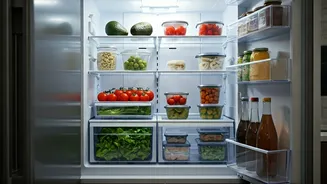
Introducing hot food directly into the fridge can disrupt the appliance's internal temperature, potentially affecting other stored items. For optimal preservation, place cooled cooked food in airtight containers made of glass or stainless steel. The middle shelf of your refrigerator is generally the most stable in terms of temperature, making it the ideal location. A crucial guideline to follow is to consume stored cooked food within two to three days. Furthermore, practice mindful reheating by only warming up the portion you intend to eat immediately, as repeated reheating can diminish both the taste and nutritional value of the dish.
Raw Vegetables Unveiled
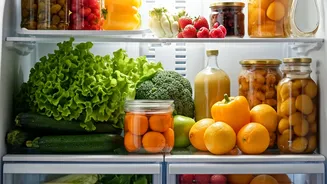
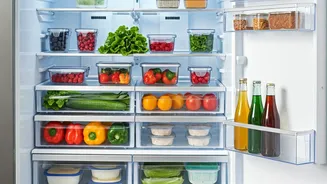
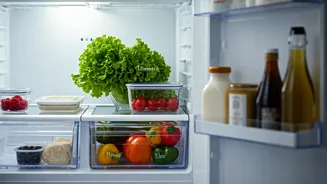
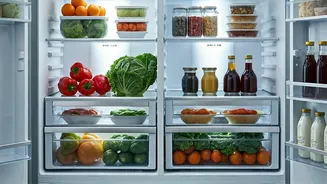
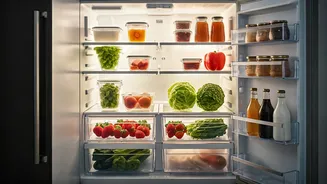
Keeping raw vegetables fresh requires a focus on dryness. If you opt to wash your vegetables before storing them, ensure they are thoroughly dried before being placed in the crisper drawer. This drawer is specifically designed to regulate humidity levels, creating the ideal environment for vegetables. For enhanced air circulation, consider using cloth bags or containers with perforated covers. It's also prudent to store fruits that release ethylene gas, such as apples and tomatoes, separately from leafy greens and other more sensitive vegetables, as the gas can accelerate spoilage in these items. This strategic separation helps maintain the integrity and longevity of your produce.
Leafy Greens Care
Leafy greens, due to their delicate nature, demand a bit more attention to maintain their freshness. To prolong their life, wrap them in a slightly damp cloth or towel. Then, place this wrapped bundle inside a container that has been lined with a dry paper towel. This simple yet effective method helps them stay crisp and vibrant for several days. For optimal nutrient retention and taste, it is advisable to consume leafy greens within four days of storage. This proactive approach ensures you benefit from their full nutritional content and enjoyable texture.
Seasonal Storage Wisdom
Chef Sahajan emphasizes the importance of aligning food storage with the changing seasons, a practice rooted in Ayurvedic principles. Ayurveda recognizes six distinct natural seasons, and choosing ingredients that resonate with the current _ritu_ can significantly impact their quality. Ingredients in season not only offer superior taste and a lighter feel on the digestive system but also possess a longer shelf life when stored correctly. This approach to food storage goes beyond mere preservation; it signifies a deep respect for the ingredients themselves and the vital nourishment they provide.