






Is Honey Sugar?
The question of whether honey can be included in a sugar-free diet often arises because it's perceived as a natural sweetener. However, clinical experts
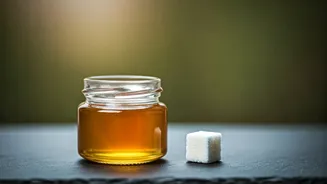
clarify that honey is, in fact, a form of sugar. Its composition primarily consists of simple sugars, specifically glucose and fructose. This inherent sugar content means that individuals adhering to a strict no-sugar regimen are typically advised to steer clear of honey. The nuances shift slightly for those aiming to reduce refined sugar intake rather than eliminate sugar entirely. In such cases, a small, moderate consumption of organic, natural honey might be permissible. While honey does boast a modest presence of antioxidants, enzymes, and trace minerals that offer a slight nutritional advantage over refined sugar, it's crucial to remember that it shouldn't be viewed as a free pass. Even genuine organic honey, when consumed in quantities of 1-2 tablespoons occasionally, should be accounted for as an added sugar within a balanced diet.
Honey vs. Refined Sugar
Honey frequently gets a nod as a healthier sweetener option compared to its refined counterpart, and there are valid reasons for this perception. For starters, honey undergoes less processing than table sugar. It also contains trace amounts of beneficial nutrients like potassium, calcium, and iron, offering minor nutritional benefits. A significant distinction lies in its glycaemic index (GI). Honey generally possesses a somewhat lower GI than standard table sugar, which suggests that it may lead to a more gradual rise in blood sugar levels. Nevertheless, it's a critical reminder that honey remains a simple carbohydrate and actively contributes to elevating blood glucose. Consuming excessive amounts of honey can therefore still contribute to weight gain and potential metabolic complications, underscoring the importance of moderation.
Impact on Blood Sugar
Similar to other sweetening agents, the sugars present in honey are swiftly converted into energy by the body. Honey's blend of glucose and fructose directly influences blood glucose levels, although it might do so at a marginally slower pace than refined sugar or jaggery. For individuals focused on reducing their sugar intake or managing their blood glucose levels, mindful portion control becomes paramount. From a metabolic viewpoint, the body treats honey much like other sugars, meaning that careful management of how much is consumed is essential. Understanding this processing allows for better dietary planning and helps prevent unintended spikes in blood sugar, ensuring that honey, if consumed, is done so strategically within dietary goals.
Sweetener Alternatives
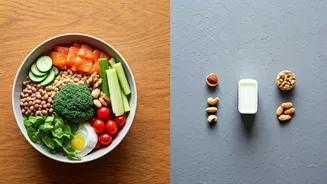
Instead of merely swapping one sweetener for another, the most sustainable long-term approach to managing sugar intake involves gradually diminishing one's overall preference for sweetness. This can be achieved through various strategies. For those seeking alternatives, natural low-calorie sweeteners such as Stevia or Monk fruit can serve as viable options. Additionally, incorporating naturally sweet ingredients like dates, mashed bananas, or applesauce into recipes can provide sweetness without added sugars. Furthermore, leveraging the aromatic qualities of spices such as cinnamon, cardamom, or vanilla can impart flavour and a sense of sweetness to dishes, effectively reducing the need for sugar. This multi-faceted approach helps individuals cut back on sugar more effectively and sustainably.