




Bengali Comfort Food Embrace
Actress Rani Mukerji recently spoke about her inherent connection to traditional Bengali culinary delights, admitting that she finds it difficult to adhere
to strict diets due to her love for these comfort foods. She specifically mentioned her need for 'gudh' (jaggery), which she considers a form of sugar, and her enjoyment of rice, a staple that influences glycemic index levels. Furthermore, she expressed a fondness for 'aloo sheddo,' a simple preparation of mashed boiled potatoes. These admissions highlight a common sentiment where cultural identity and culinary heritage play a significant role in dietary choices, often intertwined with emotional well-being and nostalgic connections to home-cooked meals. Mukerji's perspective underscores the challenge many face in balancing personal preferences and cultural food traditions with modern health recommendations, suggesting that a complete abandonment of such foods is not always feasible or desirable.
Expert Views on Fried Fish
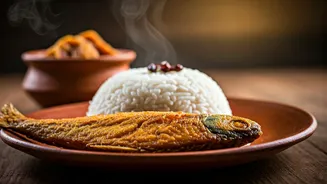
Dr. Gulnaaz Shaikh, a chief dietitian, addresses the common perception that fried fish is inherently unhealthy. She clarifies that the health impact depends heavily on consumption frequency, portion size, and the type of oil used. Fish, in its essence, is lauded for its high-quality protein and beneficial omega-3 fatty acids, crucial for cardiovascular and neurological health. However, the frying process inherently increases calorie content and can introduce saturated or reused oils, making daily consumption less than ideal. Dr. Shaikh advocates for a balanced approach, suggesting that enjoying fried fish as a comfort food is acceptable if done in moderation. Strategies like shallow frying in fresh oil, managing portion sizes, and complementing the meal with plenty of vegetables and fiber can make it a sustainable part of a healthy eating pattern. She emphasizes that food is deeply intertwined with culture and emotion, and a sustainable approach values consistency and mindful enjoyment over rigid dietary rules.
The Role of Rice
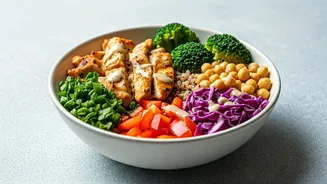
Rice, a cornerstone of many Indian diets, particularly in Bengali households, is often unfairly demonized. Dr. Gulnaaz Shaikh explains that plain rice itself is not detrimental; the primary concern lies in the quantity consumed and the accompaniments. For Bengali families, rice is not just a food but a significant part of their cultural identity. By pairing rice with protein sources like fish, lentils, or chicken, alongside a generous portion of vegetables and healthy fats, individuals can significantly slow down glucose absorption. This combination helps prevent drastic spikes in blood sugar levels, making the consumption of rice more metabolically manageable. For those looking to enhance their fiber intake, occasionally opting for hand-pounded or parboiled rice can be beneficial. However, Dr. Shaikh reassures that unless there's a specific medical condition requiring it, most individuals do not need to eliminate rice from their diet entirely.
Jaggery vs. Sugar
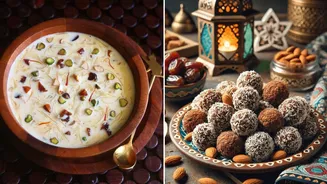
When it comes to 'gudh' (jaggery) and refined sugar, their nutritional profiles are surprisingly similar in terms of calorie content and their impact on blood glucose levels. Dr. Gulnaaz Shaikh points out that while jaggery does contain trace amounts of minerals like iron, these are generally insufficient to address significant nutritional deficiencies. From a metabolic perspective, both jaggery and sugar can lead to an increase in blood sugar. The expert advice highlights that a truly healthy diet is not characterized by constant deprivation, but rather by achieving a state of balance and consistency. Embracing traditional foods, including fried fish, rice, and a modest amount of jaggery, can be a sustainable practice. This approach, when combined with regular physical activity and overall nutrient balance, proves far more effective and enjoyable than resorting to extreme or restrictive dieting methods.