




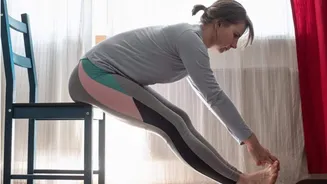
Age-Related Body Shifts
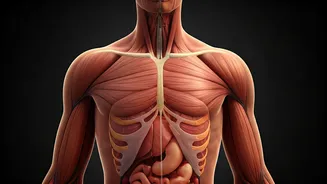
Entering your 40s and 50s brings subtle yet significant physiological changes that can make your body more susceptible to exercise-related injuries. Muscle
mass and strength begin a gradual decline, while tendons lose some of their elasticity, making them less forgiving. The body's capacity to repair itself after micro-damage from workouts also slows down considerably. Furthermore, joint cartilage may start to wear, and bone density can decrease, especially in women, adding another layer of vulnerability. These alterations mean that activities previously handled with ease might now pose a higher risk of strains, sprains, or overuse injuries, as your tissues are less resilient to sudden stress or high-impact movements.
Common Training Errors
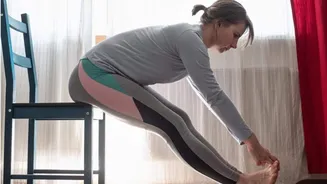
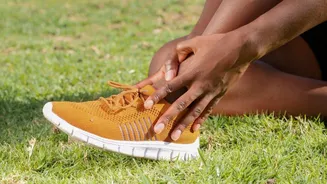
A frequent pitfall for individuals in their midlife is maintaining the same workout intensity and recovery expectations from their younger years. This often leads to skipping essential structured warm-ups and underestimating the need for dedicated mobility exercises, which are crucial for maintaining joint health and flexibility. Many also push too hard, too fast, increasing weights or workout intensity without allowing adequate adaptation. A critical mistake is ignoring early signals of discomfort, like persistent soreness or joint pain, which can easily escalate into more severe problems if not addressed. The cycle of inconsistent training – alternating between long periods of inactivity and sudden bursts of high-effort workouts – further amplifies this risk.
Designing Midlife Workouts
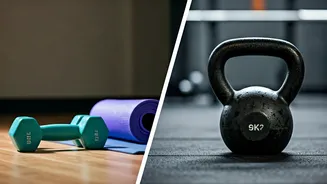
Crafting a fitness regimen suitable for your 40s and 50s involves a strategic blend of strength training, mobility work, and carefully chosen cardiovascular exercises. Prioritising strength training is key to preserving muscle mass and providing essential support for your joints, helping to maintain stability. Complementing this with mobility exercises is vital for preserving your natural range of motion and combating stiffness that can develop with age. For cardiovascular fitness, opting for low-impact activities like walking, cycling, or swimming is highly recommended, as these build endurance without putting excessive stress on your joints. Crucially, incorporating sufficient rest and recovery into your schedule is paramount. Recognising that tissue repair takes longer as you age allows your body to recuperate effectively, ultimately enhancing long-term progress and significantly reducing the likelihood of injury.