





Expanding Healthcare Workforce
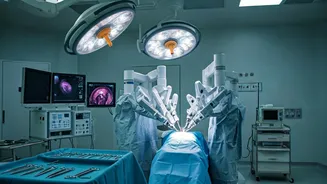
The cornerstone of the plan involves significantly expanding the healthcare workforce. A primary focus is on allied health professionals (AHPs), a group
vital for supporting doctors in areas like diagnostics, therapy, critical care, and behavioral health. The government aims to add one lakh AHPs over the next five years to address the existing gaps in hospitals and clinics. This expansion will be supported by upgrading current institutions and establishing new ones in both the public and private sectors. Training will be provided in ten key disciplines including optometry, radiology, anesthesia technology, operation theatre technology, applied psychology, and behavioral health, ensuring a diverse and well-trained workforce. Parallel to this, the budget also focuses on strengthening the care system, especially for geriatric and allied care services. This will involve developing National Skills Qualifications Framework (NSQF)-aligned programs to train multi-skilled caregivers capable of combining core caregiving with related skills such as wellness yoga and the operation of medical assistive devices. Over the coming years, the goal is to train 1.5 lakh caregivers, which is intended to expand support for the aging population and address long-term care needs.
Medical Hubs Development
To boost medical value tourism, the budget introduces a plan to support states in establishing five regional medical hubs in partnership with the private sector. These hubs are designed as integrated healthcare complexes bringing together medical education, research facilities, diagnostics, post-care, and rehabilitation services. They will also accommodate AYUSH centres and medical value tourism facilitation units, creating varied employment opportunities for doctors, AHPs, and support staff. The vision is to position India as a leading destination for medical value tourism. These hubs will play a pivotal role in offering comprehensive healthcare services, making advanced medical care accessible, and generating employment opportunities in the healthcare sector. The government's investment in medical infrastructure aims at creating a robust healthcare ecosystem that attracts both domestic and international patients.
Traditional Medicine Boost
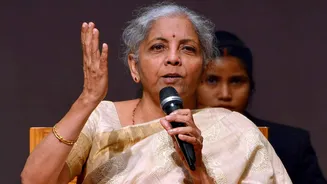
The Union Budget further highlights traditional medicine, building on the global recognition of yoga and the growing acceptance of Ayurveda. Sitharaman acknowledged the Prime Minister's efforts to showcase Yoga at the United Nations and the rise of Ayurveda in the post-Covid era. Steps will be taken to bolster this sector, including establishing three new All India Institutes of Ayurveda (AIIA). Further initiatives involve upgrading AYUSH pharmacies and drug testing laboratories to meet higher certification standards. Additionally, the WHO Global Centre for Traditional Medicine in Jamnagar will be expanded. The goal is to enhance evidence-based research, training, and awareness. These measures reflect the government's commitment to integrating traditional medicine into the broader healthcare landscape.