




Understanding Puthandu
Puthandu, also recognized as Varusha Pirappu, marks the commencement of the Tamil calendar year and is observed on April 14, 2026. This significant day
ushers in the Tamil Shaka Samvata 1948 and initiates the Tamil month of Chithirai. The celebration's timing is intrinsically linked to the solar cycle, specifically the Sankranti moment. The general rule dictates that if the Sankranti transition occurs between sunrise and sunset on a given day, the New Year is celebrated on that very day. However, if this celestial event takes place after sunset, the festivities are observed on the subsequent day. This adherence to astronomical timing underscores the deep connection between Tamil culture and the natural world, ensuring that the New Year commences at an astrologically aligned and auspicious juncture.
Auspicious Timings & Rituals
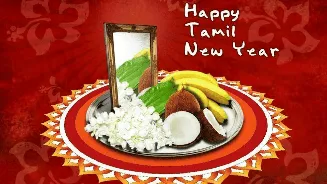
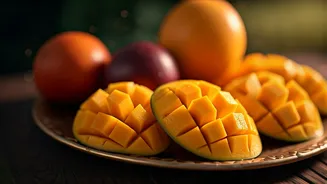
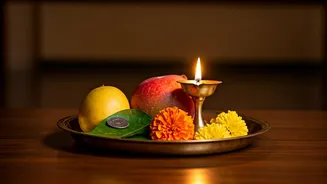
While the general rule determines the civil commencement of Puthandu, a deeper layer of astrological precision governs the auspicious timings for specific rituals and charitable acts, known as Dan-Punya. These periods, considered highly favorable, are specifically calculated based on the exact Sankranti moment, with particular durations preceding and succeeding it deemed Shubha, or auspicious. A key ritual that sets the tone for the New Year is 'Kanni,' which involves the first viewing of a carefully arranged collection of items upon waking. This typically includes auspicious objects like fresh fruits, vibrant flowers, gleaming gold or silver, and a mirror, symbolizing wealth, beauty, and self-reflection. This practice is believed to bless the household with prosperity and good fortune for the year ahead. Furthermore, the preparation and consumption of traditional foods, such as the symbolic mango pachadi, which blends sweet, sour, bitter, and spicy flavors, represent the diverse experiences life may bring, encouraging acceptance and gratitude for all its facets.
Heartfelt Greetings & Messages
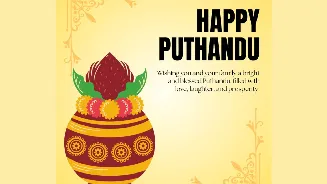
Puthandu is a time for expressing joy, hope, and goodwill, with families and friends exchanging heartfelt wishes for prosperity and happiness. Greetings are often shared in both Tamil and English, reflecting the blend of tradition and modern life. Common sentiments include wishing for a life filled with peace, health, and abundance. Many messages emphasize the significance of new beginnings, encouraging recipients to embrace new opportunities and pursue their dreams with renewed vigor. Phrases like 'Wishing you a joyful and prosperous Puthandu!' and 'May this Tamil New Year bring happiness and success' are widely used. The essence of these greetings lies in invoking blessings for a year of growth, positivity, and fulfillment, reinforcing the cultural values of optimism and communal well-wishing as the new year dawns.
Global Celebrations
While firmly rooted in Tamil Nadu, Puthandu's vibrant celebrations extend far beyond India's borders, resonating with Tamil diaspora communities worldwide. Countries with significant Tamil populations, including Sri Lanka, Singapore, and Malaysia, observe Puthandu with great enthusiasm, mirroring the traditional customs and festive spirit seen in India. These communities actively participate in decorating their homes, wearing new attire, visiting temples, and preparing customary festive meals, thus preserving and propagating their rich cultural heritage. This global observance highlights the enduring strength of Tamil traditions and the sense of community that unites Tamils across different geographical locations, ensuring that the spirit of the New Year is shared and cherished by all.