







Understanding Knee Pain
Knee pain can arise from a variety of sources, including exercise, injuries, or age-related wear and tear. Whether you're a seasoned athlete or someone
who enjoys regular walks, knee discomfort can significantly impact your daily life. It's essential to understand the underlying causes of your pain to choose the appropriate support. Many people experience pain due to overuse or improper form during workouts. Simple activities, such as climbing stairs, can become challenging. Additionally, conditions like arthritis or meniscus tears can contribute to chronic knee pain. Identifying the specific source of your discomfort is the first step toward finding effective relief and maintaining an active lifestyle. Consulting a doctor to diagnose the specific problem can help in selecting the appropriate knee brace.
Types of Knee Braces
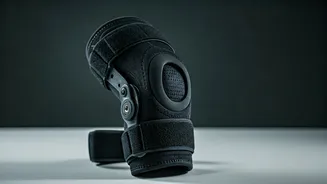
Knee braces come in diverse designs, each serving a unique purpose. There are basic sleeves offering compression, hinged braces providing stability, and patella stabilizers designed to keep the kneecap in place. Compression sleeves are often the simplest, offering mild support and reducing swelling. Hinged braces are more robust, typically used for moderate to severe instability or following an injury. These braces have hinges that allow a range of motion while preventing excessive sideways movement. Patella stabilizers are tailored to address kneecap issues, offering support to keep the patella properly aligned. When selecting a brace, consider the level of support you need, your activity level, and any specific conditions you may have. Make sure to consult a medical professional about the best brace for you.
Top Rated Options
Several knee braces have gained popularity for their effectiveness and comfort. One highly rated option provides excellent compression and support, ideal for everyday activities. Another popular choice features adjustable hinges, suitable for those with moderate instability. Many users appreciate the comfortable fit and the ability to customize the level of support. A specific brand is known for its patella stabilizing brace, frequently recommended for individuals with patellar tracking issues. Several braces are constructed from breathable materials to prevent overheating during workouts. Reviews often highlight the effectiveness of these braces in reducing pain and improving mobility. Furthermore, a wide array of options are available, and these models provide different levels of support, making it easier for users to choose the brace that best suits their individual requirements.
Features to Consider
When choosing a knee brace, there are several key features to consider. Material quality is essential; breathable and moisture-wicking materials enhance comfort during workouts. Adjustability is another critical factor, allowing you to fine-tune the fit for optimal support. Check the type of hinges if you need a hinged brace. Consider ease of use, making sure the brace is easy to put on and take off. The brace should also be comfortable enough to wear during your usual activities without causing excessive friction or chafing. Additionally, the brace’s durability is an important factor. Consider reviews and recommendations from other users to get a sense of each brace’s long-term performance and how well it fits. Assessing these features will help you select a brace that provides effective pain relief and fits comfortably into your lifestyle.
Finding the Right Fit
Proper fit is crucial for a knee brace to provide maximum benefit. Before purchasing, measure your knee circumference following the manufacturer's instructions. Incorrect sizing can lead to inadequate support or discomfort. Many brands offer sizing charts to help you find the correct fit. When trying on a brace, make sure that it fits snugly without cutting off circulation or feeling overly restrictive. The brace should stay in place during movement, ensuring it provides consistent support. If the brace feels too tight, it can restrict movement and cause further discomfort. If it is too loose, it won’t provide the required support. Ensure that the brace offers a comfortable range of motion while adequately supporting the knee. If you're unsure about the correct size, consider consulting a healthcare professional for guidance.
Caring for Your Brace
Proper care and maintenance can extend the life and effectiveness of your knee brace. Follow the manufacturer's instructions for cleaning. Most braces can be hand-washed with mild soap and water. Avoid using harsh chemicals or bleach, which can damage the materials. Allow the brace to air dry completely before using it again. Regularly inspect the brace for any signs of wear and tear, such as damaged straps or broken hinges. If you notice any damage, it may be time to replace the brace. Keeping the brace clean and well-maintained helps ensure it continues to provide the support and comfort you need. With proper care, your knee brace will remain a reliable part of your fitness or recovery routine. Moreover, store your brace in a dry, cool place to prevent any damage and ensure it's in good condition whenever you need it.
When to See a Doctor
While knee braces can be highly effective, they are not a substitute for professional medical advice. If your knee pain is severe, persistent, or accompanied by other symptoms, such as swelling, redness, or fever, consult a doctor immediately. A healthcare professional can diagnose the underlying cause of your pain and recommend the most appropriate treatment plan. In some cases, knee braces are a component of a broader treatment strategy that may include physical therapy, medication, or other interventions. Always follow the advice of your healthcare provider. Additionally, if the brace causes any skin irritation or worsening pain, stop using it and consult your doctor. They can assess your condition and guide you to find the right solutions and avoid any potential complications.