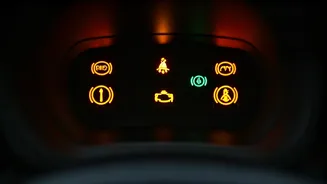

Engine Check Light
The engine check light, also known as the malfunction indicator lamp (MIL), is a crucial indicator. When this light illuminates, it signifies a potential
issue with your car's engine, emissions system, or related components. Several factors, such as a loose gas cap, faulty oxygen sensor, or serious engine problems, can trigger this light. If the engine check light appears, it's wise to get your car inspected by a qualified mechanic. Ignoring this light could potentially lead to reduced fuel efficiency, increased emissions, or even severe engine damage. The light's appearance serves as a warning, prompting timely intervention to prevent further complications. Proper diagnostics and immediate attention will help you prevent more extensive, expensive repairs, guaranteeing your car runs smoothly.
Oil Pressure Warning
The oil pressure warning light, often depicted as an oil can, is a critical alert. This light illuminates when your car's oil pressure drops below a safe level, which means the engine isn't receiving proper lubrication. Low oil pressure can stem from various causes, including a leak, a malfunctioning oil pump, or insufficient oil in the system. Continuing to drive with this light on can cause severe damage to your engine, leading to costly repairs or even complete engine failure. If the oil pressure light comes on, the immediate response is to pull over at a safe location, turn off the engine, and check the oil level. If the oil level is low, add oil as needed; if the light persists, have your car towed to a repair shop. Prompt action ensures engine protection and avoids expensive, irreversible damage.
Battery Warning Light
The battery warning light, typically in the shape of a battery, is another significant indicator. This light indicates that the car's electrical system isn't charging the battery properly. This may be caused by a faulty alternator, a worn-out battery, or issues with the charging system. When the battery light comes on, it suggests that the electrical system isn't adequately supplying power to the vehicle, and the car is running solely on battery power. Ignoring this light could result in a dead battery, leaving you stranded. If you see the battery light illuminate, get the charging system inspected by a professional. This helps ensure that the battery is charging correctly and prevents unexpected breakdowns. Timely intervention safeguards your electrical system and assures you of reliable vehicle operation.
Brake System Alert
The brake system warning light is designed to signal issues within your car's braking system. This light can indicate various problems, such as low brake fluid, a problem with the anti-lock braking system (ABS), or a significant brake issue. If this light illuminates, it's crucial to address it promptly. Reduced braking performance can lead to serious accidents. If the brake warning light comes on, inspect your brake fluid level. If it's low, add fluid but consult a mechanic to identify and fix any potential leaks. If the light remains on even after checking the fluid, or if the light shows with the ABS light, it means there are serious issues within the braking system. Immediately consult a professional, avoid driving, and ensure your safety and that of others on the road.
Temperature Warning Light
The engine temperature warning light is designed to alert you if your engine is overheating. This light, often represented by a thermometer, signals that the engine's temperature is too high. This is potentially due to a lack of coolant, a malfunctioning cooling system component, or any other issues that cause the engine to overheat. Driving an overheated engine can cause substantial damage, including warped cylinder heads and engine failure. If this warning light comes on, pull over and switch off your engine immediately. Allow the engine to cool before checking the coolant level. If the light remains, it’s advisable to have the cooling system checked by a mechanic. Addressing the root cause quickly preserves your engine and prevents expensive repairs.
ABS Warning Light
The anti-lock braking system (ABS) warning light is represented by the letters 'ABS' or a symbol. When this light is on, it indicates that there's a problem within your anti-lock braking system. While the regular brakes still function, the ABS is disabled, reducing the car's ability to prevent wheel lockup during hard braking. This could be due to a faulty sensor, a problem with the ABS module, or other system defects. Although your brakes will continue to function, the absence of ABS can affect braking performance, particularly on slippery surfaces. If this light turns on, have the ABS inspected and repaired by a professional. Restoring the ABS system guarantees optimal braking performance and improves your safety, specifically in emergency situations.
Tire Pressure Warning
The tire pressure monitoring system (TPMS) warning light, which usually looks like a horseshoe with an exclamation point inside, alerts you about low tire pressure in one or more tires. Low tire pressure can lead to uneven tire wear, reduced fuel efficiency, and compromised vehicle handling. If this light appears, it means the tire pressure is below the recommended level. To address this, check the tire pressures using a gauge and inflate them to the recommended pressure found on a sticker usually located on the driver's side door jamb or in the owner's manual. After inflating the tires, the light may go off. If the light remains illuminated, there may be a problem with the TPMS sensors. If the light is on, get it inspected by a professional, ensuring you are driving with the correct tire pressure for safety and driving performance.