






An Unconventional Escape
During an intense heatwave gripping Bengaluru, a resident named Priya Pal opted for an innovative, albeit unconventional, strategy to find relief from
the sweltering conditions. Fed up with the oppressive heat in her rented accommodation, she decided to book an air-conditioned room in a nearby hotel. This decision, born out of immediate necessity, was captured in a video that soon went viral across social media platforms. The clip showcased her entering the hotel room and expressing visible comfort in the cool, conditioned air. Her caption on the video, "We booked a hotel next to our house only for this in Bangalore," along with a shot of the functioning air conditioning unit, set the stage for widespread discussion and diverse opinions from online viewers, highlighting the extreme measures people might take to escape unbearable weather.
Debate Over Decisions
Priya Pal's viral video quickly drew a flurry of reactions, with many questioning the financial prudence of her choice. Several commenters expressed skepticism, asking why she would book a hotel for air conditioning if she couldn't afford to buy one. Priya responded by elaborating on the difficult circumstances. She explained that initial hopes for rain were dashed, and purchasing an AC was not an immediate option due to a 7-day delivery delay, while renting options were scarce due to high demand. Consequently, she managed to order a cooler online but it also had a delivery delay. She felt spending a Sunday in a hotel with Netflix and chilling, rather than going out, was a more sensible approach given the circumstances and the delivery timelines for essential cooling appliances. This interaction highlighted the complexities of navigating unexpected heatwaves as a renter.
Tenant's Perspective
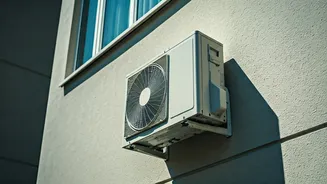
The debate expanded to encompass the inherent challenges faced by individuals living in rented properties, especially during extreme weather events. A significant point raised by supporters was the impracticality for tenants to simply purchase or install an air conditioning unit without landlord permission. Installing a split AC often requires drilling holes in walls, a modification typically requiring owner consent. Furthermore, moving an AC unit when changing residences incurs additional costs and logistical hurdles. For a temporary, immediate need like a single day of respite from intense heat, a hotel room emerged as a more viable and less complicated solution compared to the long-term commitments and potential conflicts associated with buying or installing new appliances. This perspective underscored the nuanced reality of renting and the limited autonomy tenants may have.
Broader Coping Strategies
Beyond Priya's specific situation, the viral video resonated with many who shared their own creative methods for enduring the Bengaluru heatwave. The conversation broadened to include various coping mechanisms, reflecting the widespread impact of the rising temperatures. Some individuals recalled utilizing office sleeping pods or communal spaces with air conditioning for respite after work, highlighting a pragmatic approach to leverage available resources. Others mentioned opting for activities like watching movies or window shopping as ways to stay cool and occupied. The sentiment that "modern problems require modern solutions" captured the essence of the collective response, emphasizing adaptability and ingenuity in the face of challenging environmental conditions, such as frequent power outages often accompanying such heat spells.
Karnataka's Heatwave
The viral incident occurred against the backdrop of a significant heat spell affecting numerous regions across Karnataka. Bengaluru, in particular, experienced temperatures considerably above average for this time of year. Data from the India Meteorological Department (IMD) indicated that the maximum temperatures in the city were hovering around 36–37°C, which is approximately 2 to 2.6 degrees Celsius higher than the typical readings for the season. This prolonged period of unusually high temperatures underscored the severity of the heatwave, contributing to the urgency and relatable nature of Priya Pal's decision to seek immediate relief through unconventional means. The prevailing meteorological conditions provided a crucial context for the online discussions that ensued.