





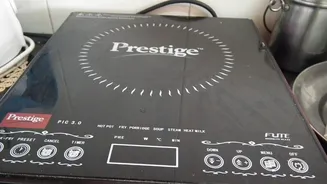
Spike in Electric Cooker Interest
Recent weeks have seen a notable upswing in online searches for induction cookers throughout India, as reported by Google Trends. The state of Kerala has
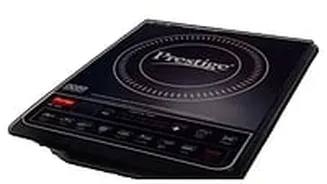
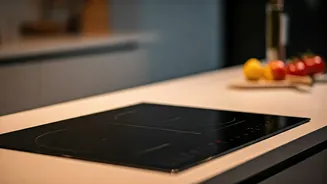
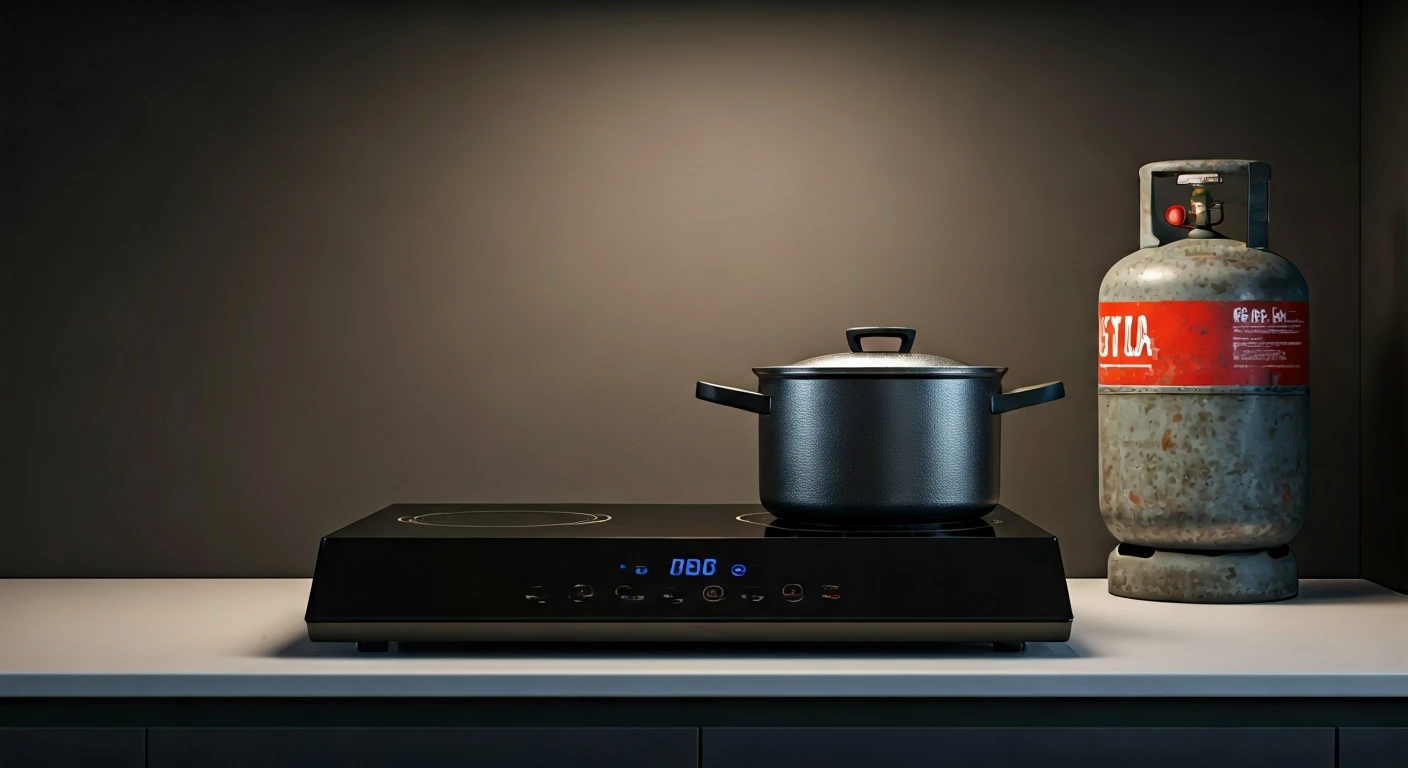
emerged as the epicenter of this increased interest, with West Bengal, Odisha, Goa, and Karnataka following closely behind. This surge in digital curiosity aligns directly with escalating reports of supply pressures affecting commercial LPG cylinders in various urban areas, amplifying public concern regarding the consistent availability of cooking gas. The growing consumer focus is not merely confined to online searches; it is actively translating into a substantial rise in the purchase of these electric cooking devices, indicating a tangible shift in consumer behavior driven by perceived energy supply vulnerabilities. This phenomenon underscores a broader trend of consumers seeking dependable alternatives to traditional cooking methods.
Retail and E-commerce Boom
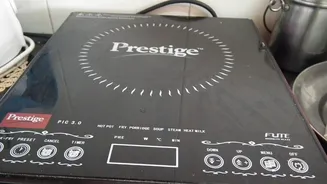
The heightened consumer interest in induction cooktops is not just a trend on search engines; it's creating a significant ripple effect in sales figures. Croma, a prominent electronics retail chain under the Tata Group, has experienced a dramatic uptick in demand for induction cooktops. According to their CEO and Managing Director, Shibashish Roy, the average daily sales volume has tripled in recent days, indicating an immediate and substantial market response. E-commerce platforms are witnessing even more dramatic increases. A spokesperson for Amazon highlighted that sales of induction cooktops have surged an astonishing 30 times in just two days. Furthermore, other electric cooking appliances are also benefiting from this trend, with rice cookers and electric pressure cookers seeing a fourfold increase in sales, while air fryers and multi-use kettles are doubling their usual demand. This widespread boom across various retail channels underscores the significant consumer pivot towards electric cooking solutions.
Supply Chain Response
The sudden surge in demand for electric cooking appliances is also evident from the manufacturer's perspective. Stovekraft, the company behind the Pigeon brand, has reported a quadrupling of its average weekly online sales for induction cooktops since tensions in West Asia escalated. Managing Director Rajendra Gandhi stated that this substantial increase in e-commerce sales is directly linked to the ongoing geopolitical unease. The company currently produces approximately two lakh induction cooktop units weekly at its Karnataka facility and is actively planning to expand its production capacity in the upcoming financial year. This proactive approach by manufacturers to scale up production demonstrates their recognition of induction cooktops and electric kettles as crucial, reliable backup options for households navigating uncertainty in conventional energy supplies. The industry is clearly adapting to meet this evolving consumer need.
Government Reassurance vs. Consumer Hedging
In response to the growing public concern, the government has issued reassurances that there is no cause for widespread panic regarding LPG availability. Sujata Sharma noted that India's crude oil supplies remain secure and are being procured through alternative routes that bypass the Strait of Hormuz, mitigating immediate supply risks. The Ministry of Petroleum and Natural Gas further emphasized that the standard LPG delivery cycle, averaging about 2.5 days, is being maintained, and government initiatives have boosted LPG production by 25%. Despite these official assurances, the ongoing conflict in West Asia continues to influence global energy markets, leading Indian households to proactively 'hedge their bets.' The growing popularity of electric cooking appliances signifies a strategic move by consumers to secure alternative and seemingly more stable cooking methods, thereby ensuring household continuity amidst potential disruptions in traditional fuel supplies.