




Sanctions Unleashed
In a swift move, the United States has imposed a new set of sanctions designed to significantly curtail Iran's oil exports. This action was announced mere
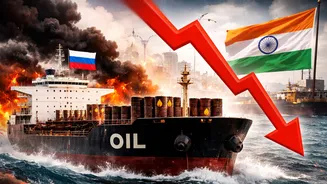
moments after the conclusion of indirect negotiations held in Oman. According to Tommy Pigott, a spokesperson for the State Department, these measures are intended to choke off the revenue Iran allegedly uses to finance activities deemed destabilizing across the globe and to bolster its domestic repression. President Trump's administration has reiterated its commitment to dismantling Iran's illicit oil and petrochemical trade through a sustained 'maximum pressure' strategy. The State Department detailed that these sanctions will block any financial dealings involving 14 specific vessels identified as transporting Iranian oil. These ships include those registered under the flags of Turkey, India, and the United Arab Emirates, illustrating the international reach of this financial enforcement. Furthermore, the sanctions extend to 15 entities and two individuals, broadening the scope of the punitive actions.
Diplomacy Meets Pressure
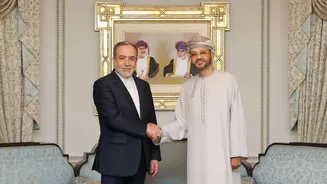
The announcement of these stringent sanctions follows a day of indirect diplomatic engagement in Oman between Iranian diplomats and senior envoys from the Trump administration. These talks focused on Iran's controversial nuclear program. Iran's foreign minister described the atmosphere as 'positive,' a sentiment that contrasts sharply with the immediate imposition of new economic penalties. This juxtaposition highlights the complex and often contradictory nature of international relations, where dialogue can coexist with aggressive pressure tactics. The previous administrations have consistently sought to compel other nations to cease their purchase of Iranian oil, a policy that has been intensified under the current leadership. The timing of the sanctions, directly after the Omani discussions, suggests a deliberate strategy to apply pressure even amidst attempts at de-escalation or dialogue, indicating a dual-track approach by the US.
Context of Repression
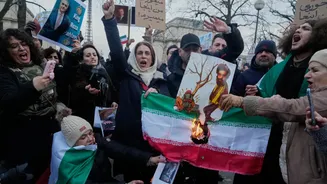
These developments unfold against a backdrop of significant internal unrest in Iran. The country has recently witnessed some of the most substantial protests since the 1979 Islamic Revolution, which were met with a forceful response from the clerical state. This domestic situation is a key factor influencing the US government's policy decisions. President Trump has previously alluded to the potential use of military force against Iran and has augmented the US military presence in the region adjacent to Iran's coast. The combination of sanctions, diplomatic engagement, and military posturing forms a multifaceted strategy aimed at influencing Iran's behavior both domestically and internationally, particularly concerning its nuclear ambitions and regional influence.