







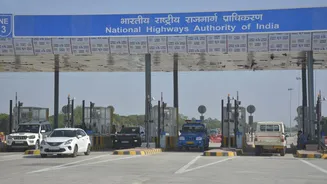
AI Patrols for Highways
The National Highways Authority of India (NHAI) is embarking on a significant technological upgrade, planning to equip approximately 40,000 kilometers
of its national highway network with artificial intelligence (AI)-powered dashcam systems. This ambitious project aims to elevate both the safety standards and the overall maintenance efficiency of India's critical roadways. The deployment will involve specially designed dashboard cameras fitted onto route patrol vehicles (RPVs). These RPVs will undertake regular, detailed surveys of highway stretches, providing a constant stream of data for analysis. The primary objective is to pinpoint a wide array of issues affecting road integrity and user safety, ensuring a more secure and reliable travel experience for all commuters across the country. This proactive approach signifies a major stride in modernizing highway management.
Detecting Road Imperfections
A core function of these advanced AI dashcams will be the meticulous inspection of road surfaces and infrastructure. The cameras are engineered to identify and flag common pavement problems, such as the emergence of potholes and the presence of cracks, along with general surface degradation. Beyond just the road itself, the system will also be vigilant about essential safety and navigational elements. This includes monitoring the visibility and condition of lane markings, which can become faded over time, and assessing the structural integrity of crash barriers. Furthermore, the AI will check for non-functional streetlights, a crucial element for nighttime safety. The goal is to create a comprehensive digital map of the highway's condition, enabling swift and targeted repairs before minor issues escalate into significant hazards.
Broader Safety Vigilance
The AI-powered dashcams are designed to go beyond basic road surface and lighting checks, encompassing a broader spectrum of safety and operational concerns. The system will actively scan for and report potential hazards such as illegal openings in highway medians, which can pose serious risks to traffic flow, and the presence of unauthorized signboards that might cause confusion or obstruction. It will also identify instances of encroachments on highway land and detect cases of illegal parking, which can impede traffic and create safety risks. To ensure robust performance of visibility aids, at least one survey will be conducted each month after dark. This nighttime assessment will specifically evaluate the effectiveness of signages, road markings, reflectors, and lighting systems under low-light conditions, guaranteeing all safety features are adequately visible and functional.
Comprehensive Maintenance Needs
The scope of monitoring extends to a variety of other critical maintenance aspects vital for the smooth functioning of the highway network. The AI system will be capable of identifying issues like waterlogging, which can occur due to inadequate drainage, and the absence or damage of drainage covers, a potential hazard. It will also track the growth of vegetation along the highway corridors, which can sometimes obstruct visibility or damage infrastructure. The condition of bus bays, ensuring they are safe and accessible for public transport, will also be under regular scrutiny. This holistic approach ensures that all facets of highway upkeep are addressed systematically, contributing to a more user-friendly and secure environment for all road users.
Zonal Management & Data Platform
To effectively manage the vast amount of data collected and ensure timely intervention, the entire national highway network has been strategically divided into five distinct zones. Each zone will have a dedicated system in place for the collection and meticulous analysis of the information gathered by the dashcams. A specialized platform will serve as the central hub for this data, allowing authorities to closely monitor road conditions over extended periods. This analytical capability will be instrumental in quickly identifying recurring problems, pinpointing areas requiring immediate attention, and tracking the effectiveness of repair and maintenance efforts. By leveraging this data-driven approach, NHAI aims to significantly expedite the process of resolving road-related issues.