



Infrastructure Takes Center
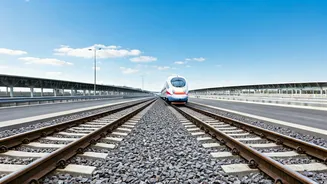
The 2026-27 Union Budget continues to emphasize infrastructural development, with railways and highways at the forefront of the government's spending priorities.
These sectors collectively account for a substantial 47% of the total capital expenditure (capex), underlining the ongoing commitment to enhancing transportation networks across the country. This allocation is intended to facilitate seamless movement of goods and people, thereby boosting economic activities. Furthermore, the budget includes ambitious plans for high-speed rail corridors, aiming to attract an investment of Rs 16 lakh crore. These high-speed rail corridors are anticipated to significantly improve connectivity and encourage economic growth. The consistent focus on infrastructure reflects a strategic vision to lay a solid foundation for sustainable and inclusive development. These efforts are expected to improve the nation's transport efficiency and support long-term economic expansion.
Tourism's Big Boost
The Union Budget 2026-27 places considerable emphasis on the tourism sector, implementing measures designed to boost its growth and impact. The strategy includes a concerted push to promote experiences, medical tourism, and job creation within the industry. These initiatives are aimed at enhancing India’s appeal as a diverse tourism destination and attracting both domestic and international travelers. By focusing on niche areas like medical tourism, the budget seeks to position India as a center for healthcare services. The allocation is also targeted at creating employment opportunities, directly benefiting local communities and improving the economic prospects within the sector. With these strategic investments, the government intends to expand the tourism sector's contribution to the national economy, bolstering its potential for both cultural and economic prosperity and promoting India's image globally.
Taxation and Fiscal Policy
The budget addresses several critical aspects of taxation and fiscal policy, including an effort to streamline the tax system for individuals. This includes rationalizing the tax penalty and prosecution framework, aiming to reduce complexity and improve compliance. Additionally, the budget acknowledges the demands from the US, adapting its policies to support vulnerable sectors. This strategy demonstrates the government's ability to respond to international trade challenges while safeguarding local industries. The proposals on taxation signify a commitment to make the tax system fairer and more efficient. By modifying tax rules and supporting critical economic sectors, the budget seeks to promote economic stability and create a business-friendly environment conducive to long-term financial health. The move to align with international expectations while protecting domestic interests is a balanced approach to economic governance.
Aid and Neighbor Relations
The 2026-27 Union Budget highlights India's commitment to supporting neighboring countries through development aid. Bhutan has been allocated the largest share of development aid among all neighbors, receiving Rs 2,288 crore. This substantial financial assistance underscores the strong bilateral relationship and India’s dedication to regional development and stability. This aid allocation is expected to facilitate infrastructure projects, healthcare initiatives, and educational programs, enhancing Bhutan's socio-economic advancement. The support from India is a reflection of the nation's policy to foster strong diplomatic and economic ties with its neighboring nations, further promoting collaboration and mutual growth in the region. The sustained investment in regional aid emphasizes India’s commitment to playing a leading role in the South Asian landscape.