
A Turbulent Backdrop
The relationship between the US and Iran continues to be a major source of concern and unrest. Amidst this backdrop, Indian officials, particularly External
Affairs Minister S. Jaishankar, have held meetings. These dialogues are aimed at assessing the situation and exploring potential avenues for de-escalation. India's history in the region, coupled with its significant economic ties to Iran, places the country in a sensitive position. A military strike, as warned by some experts, could lead to catastrophic results. These are some of the critical elements that the Indian government is weighing as it navigates the crisis. These factors have prompted India to adopt a strategy that protects its interests while advocating for peace and stability.
Diplomatic Efforts Intensify
India's diplomatic channels are actively open, as evidenced by the high-level discussions that took place. External Affairs Minister S. Jaishankar's conversations with Iranian Foreign Minister Araghchi highlight India's commitment to dialogue. These talks emphasize the importance of resolving the conflict through peaceful means. The goal is to ensure regional stability, which is essential for India's trade and energy security. The discussions also involve assessing the implications of the US-Iran situation on Indian nationals residing in the region and exploring measures to ensure their safety and well-being. This is crucial given the complex geopolitical dynamics and the potential for a crisis to affect the Indian diaspora.
Travel Advisories Issued
In response to the escalating tensions, the Indian government has issued travel advisories. These advisories reflect the nation's concern for the safety of its citizens in the affected areas. The advisories contain information, recommendations, and warnings, urging citizens to take precautions and stay informed about the evolving situation. The government has also established communication channels for Indians who may require assistance or information. This measure is a proactive approach, reflecting the government's responsibility to protect its citizens. These advisories are regularly updated as the situation changes, reflecting the government's commitment to adaptability and to the safety of Indian nationals abroad.
India's Balancing Act
India's position on the US-Iran situation is a delicate balancing act. On the one hand, India values its strategic relations with the US. On the other, India has historically maintained strong ties with Iran, including significant trade and energy partnerships. This duality means India must skillfully navigate between these competing interests. India's official stance is in favor of dialogue and diplomacy as it seeks to maintain good relations with both nations while protecting its national interests. The nation's foreign policy is designed to promote peace and stability in the region while ensuring the safety of Indian citizens and safeguarding its strategic partnerships.
Potential Consequences Explored
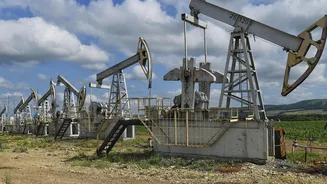
The potential consequences of a military strike by the US against Iran are far-reaching and of considerable concern to India. Such action could lead to instability in the Middle East, with serious repercussions for the global economy. This includes disruption of oil supplies, which are crucial for India's energy security and could affect global trade. A prolonged conflict might also trigger a refugee crisis. India, already dealing with complex internal issues, may find itself having to respond to new humanitarian needs. India’s diplomatic efforts are aimed at preventing these scenarios. The government's actions show that it is aware of the risks and is working to mitigate them.
Looking Ahead
The US-Iran situation is dynamic, and India's response will evolve as the circumstances change. The External Affairs Ministry is actively monitoring the developments and is prepared to take further action to protect its interests. India’s focus will remain on promoting peace, protecting its citizens, and safeguarding its strategic relationships. India's actions will also reflect the evolving global landscape and the nation's role as a responsible global actor. As tensions persist, India’s approach will be guided by its commitment to diplomacy, stability, and the well-being of its citizens, demonstrating its dedication to a peaceful and prosperous future for the region.