




Understanding Guilt-Free Eating
The journey to enjoy desserts without guilt begins with understanding. Many people associate sweets with negative feelings like regret or fear of weight
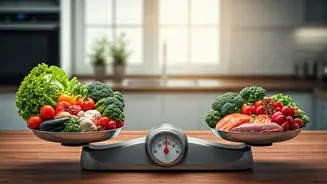
gain or blood sugar spikes. However, a doctor's perspective offers a different approach. The emphasis shifts from restriction to mindful consumption. This means paying attention to what you eat, how much you eat, and why you eat it. Instead of completely eliminating desserts, the aim is to find ways to incorporate them into a balanced diet. This involves making informed choices about ingredients, portion sizes, and eating habits. The goal is to build a healthier relationship with food, where enjoying treats doesn't come with feelings of guilt or anxiety. This perspective promotes overall well-being and a sustainable approach to a healthy lifestyle.
Smart Ingredient Swaps
One of the key strategies to enjoying guilt-free desserts is to make smart ingredient swaps. Traditional recipes often rely on refined sugars, unhealthy fats, and processed ingredients. A simple change is to substitute these with healthier alternatives. For example, replacing white sugar with natural sweeteners like stevia, monk fruit, or a small amount of honey can significantly reduce the impact on blood sugar levels. Similarly, switching from butter to coconut oil or avocado can add beneficial fats. Another crucial aspect is incorporating whole, unprocessed ingredients. Instead of using white flour, opt for almond flour, oat flour, or whole-wheat flour. These substitutions not only lower the calorie count but also add fiber and nutrients, making the desserts more filling and beneficial. By focusing on ingredient quality, you can create desserts that are both delicious and kinder to your body.
Perfecting Portion Control
Portion control plays a vital role in enjoying desserts guilt-free. Often, the temptation to overeat is a major hurdle. The doctor suggests being mindful of the serving sizes. Instead of indulging in large portions, it’s advisable to have smaller portions. This allows you to savor the treat without excess calories or sugar. Using smaller plates or dividing desserts into individual servings can also help. Another effective tip is to plan your dessert intake in advance. Know exactly how much you're going to eat before you start. This prevents impulsive overeating. Also, pair your dessert with protein or fiber-rich foods. This slows down the absorption of sugar and helps prevent blood sugar spikes. By practicing portion control, you can still enjoy your favorite treats without compromising your health goals. This is about balance and a conscious approach to eating.
Mindful Eating Techniques
Mindful eating is a powerful tool to enjoy desserts without guilt. The approach involves paying full attention to your eating experience. Start by being present with your food. Look at the dessert, smell it, and appreciate its appearance before taking the first bite. Take your time to chew each bite thoroughly. Savor the flavors and textures. This slow pace helps you to recognize when you're full, which prevents overeating. Avoid distractions while eating. Turn off the TV, put away your phone, and focus solely on your food. Also, it's important to listen to your body's cues. Eat when you are genuinely hungry and stop when you are satisfied, not overly full. Mindful eating also involves being aware of your emotional state. Don't use desserts as a way to cope with stress or boredom. Addressing the underlying emotions can make it easier to make healthier choices and enjoy desserts in moderation. By practicing these techniques, you can develop a healthier relationship with food.
Healthy Dessert Recipes
Creating delicious and healthy dessert recipes is an excellent strategy. The article might suggest a range of options that incorporate healthier ingredients and are lower in sugar and unhealthy fats. For example, a doctor might share recipes for fruit-based desserts, like baked apples with cinnamon, or a fruit salad with a drizzle of honey. Another option might be homemade dark chocolate bark with nuts and seeds, or a smoothie made with fruits, vegetables, and a protein source. These recipes focus on whole, unprocessed ingredients. They emphasize natural sweetness and healthy fats. Another category of healthy dessert is based on using alternative sweeteners and flours. Experimenting with different flavors and textures can also keep things interesting. By trying out new recipes and finding healthier versions of your favorite desserts, you can enjoy them without the associated guilt. These recipes offer a variety of options to satisfy your sweet tooth while supporting your health goals.
Addressing Sugar Cravings
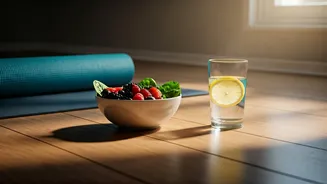
Managing sugar cravings is a key part of enjoying desserts without guilt. The doctor provides strategies to control these cravings. Start by identifying the triggers. Is it stress, boredom, or a specific time of day? Once you know your triggers, you can develop coping mechanisms. One effective approach is to eat regular, balanced meals. This will help maintain stable blood sugar levels and reduce the likelihood of cravings. Make sure to include protein, healthy fats, and fiber in your diet. Another strategy is to stay hydrated. Often, the body mistakes thirst for hunger, leading to unnecessary cravings. If a craving strikes, try drinking a glass of water, having a cup of herbal tea, or chewing sugar-free gum. This can help you to suppress the craving. Keeping healthy snacks on hand can also be helpful. This way, if a craving hits, you have a better alternative than reaching for sugary treats. Remember that it's okay to indulge in your favorite treats in moderation. The key is to be mindful and have a plan to manage those cravings.