




The Essence of Baisakhi
Baisakhi, also recognized as Vaisakhi, stands as one of India's most spirited and crucial festivals, particularly cherished in the heartland of Punjab.
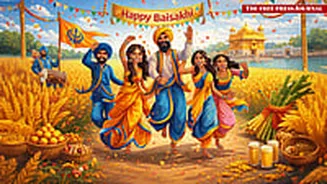
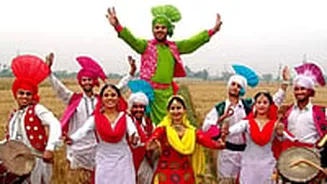
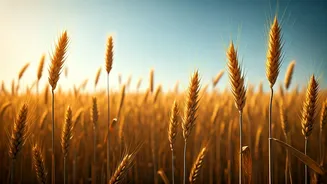
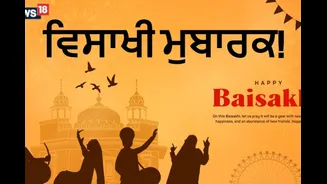
In the year 2026, this auspicious occasion falls on April 14th, heralding the bountiful harvest season and marking the commencement of the Sikh New Year. Beyond its agricultural connotations, the festival carries profound cultural and spiritual weight, notably commemorating the establishment of the Khalsa Panth by the revered Guru Gobind Singh in 1699. On this special day, agriculturalists express their deep appreciation for a plentiful harvest, while communities unite in vibrant celebrations featuring traditional music, energetic bhangra and gidda performances, lively fairs, and shared festive feasts. The spirit of Baisakhi is one of joy, gratitude, and renewed hope for the year ahead, fostering a sense of unity and prosperity among all who partake.
Joyful Greetings and Wishes
As Baisakhi 2026 approaches, the air fills with warm wishes and messages designed to spread cheer and good fortune. People extend heartfelt greetings, hoping for a year brimming with happiness and success, echoing the abundance of the harvest season. The sentiment is often centered around embracing new beginnings with optimism and positivity, wishing for lives filled with plentiful joy and prosperity. Many messages focus on the spiritual aspects, encouraging peace, good health, and the aspiration for new achievements. Homes are wished warmth and happiness, and the act of celebrating the harvest with gratitude is a recurring theme. The festival is seen as a harbinger of endless opportunities, and wishes are often capped with hopes for abundant success and smiles throughout the year, reflecting the festive spirit of Punjabi culture.
Inspirational Quotes and Messages
Baisakhi inspires a collection of thoughtful quotes and messages that capture its celebratory essence. Central themes revolve around harvesting joy and cherishing life, aligning with the agricultural roots of the festival. The idea of new beginnings bringing forth fresh hopes and prosperity is frequently emphasized, encouraging individuals to celebrate the tangible rewards of their hard work and unwavering dedication. Baisakhi is presented as a time for deep gratitude and personal growth, urging participants to let the spirit of the harvest fill their hearts with immense joy. The quotes often highlight that every successful harvest is a testament to patience and sustained effort, prompting a reflection on the value of these qualities. The festival serves as a powerful reminder to be thankful for blessings and to remain hopeful, welcoming prosperity with open arms into the coming year and fostering a sense of community and togetherness.
Understanding Baisakhi's Significance
Baisakhi, also known as Vaisakhi, holds significant cultural and religious importance as a major harvest festival in India and the Punjabi New Year. In 2026, it is observed on April 14th, marking the successful rabi crop harvest, especially wheat, and providing an opportunity for farmers to express gratitude. Crucially, for Sikhs, it commemorates the formation of the Khalsa Panth by Guru Gobind Singh in 1699, a pivotal moment in their history. Celebrations are diverse, including prayers at beautifully adorned Gurudwaras, vibrant Nagar Kirtans (religious processions with singing and martial arts displays), energetic bhangra and gidda dances, community fairs, and communal meals like langar. Baisakhi symbolizes prosperity, new beginnings, unwavering faith, and the strong spirit of community, making it a public holiday in Punjab and a widely celebrated event across India and by Sikh diaspora globally in countries like Canada, the UK, and the US.