






Understanding PM2.5 Threats
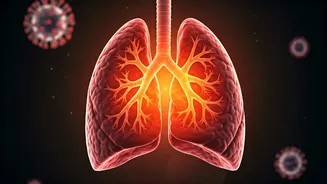
PM2.5, or particulate matter with a diameter of 2.5 micrometers or less, is a pervasive air pollutant. These tiny particles, often invisible to the naked
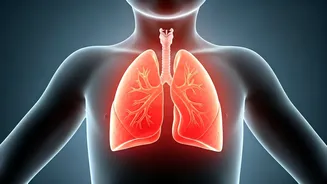
eye, can infiltrate the respiratory system and bloodstream, posing a considerable health risk. Sources of PM2.5 are diverse, encompassing vehicle emissions, industrial activities, and even natural events like wildfires. Children are particularly vulnerable due to their developing lungs, higher breathing rates, and increased time spent outdoors. Exposure to PM2.5 has been linked to respiratory illnesses, cardiovascular problems, and, as studies suggest, elevated blood pressure. The severity of the impact depends on factors like exposure duration, concentration levels, and individual susceptibility. Therefore, understanding the risks associated with PM2.5 is crucial for taking appropriate preventive measures to safeguard children’s health.
PM2.5 and Blood Pressure
Recent research reveals a significant correlation between PM2.5 exposure and the development of high blood pressure in children. This finding is particularly alarming because it suggests long-term cardiovascular risks, possibly leading to conditions like heart disease later in life. The mechanisms by which PM2.5 affects blood pressure are complex. It is believed that these fine particles can trigger inflammation and oxidative stress, damaging blood vessels and impairing their ability to function correctly. This can cause increased blood pressure and strain on the cardiovascular system. The effects of PM2.5 on blood pressure are not always immediately apparent, making it crucial for parents and healthcare professionals to be vigilant. Regular blood pressure monitoring, especially for children living in areas with high pollution levels, could be essential for early detection and intervention. This proactive approach can potentially mitigate the long-term health consequences of PM2.5 exposure.
Practical Protective Measures
Parents play a crucial role in safeguarding their children from the adverse effects of PM2.5. Implementing practical measures can significantly reduce exposure. Monitoring local air quality reports is a key step, as it provides real-time information about pollution levels. On days with high PM2.5 concentrations, parents should limit children's outdoor activities, encouraging indoor play instead. When venturing outdoors, especially in polluted areas, using air purifiers with HEPA filters both at home and in school can effectively remove PM2.5 particles from indoor air. Simple yet effective steps, like ensuring proper ventilation in homes and avoiding activities that generate indoor air pollution (e.g., smoking), can also make a difference. These protective measures, combined with routine medical check-ups, can play a pivotal role in ensuring children's well-being and mitigating the risks associated with PM2.5 exposure. Parents and schools should work together to keep children safe.
Monitoring Blood Pressure Closely
Given the link between PM2.5 exposure and elevated blood pressure, pediatricians should consider more frequent blood pressure monitoring for children. Routine monitoring can assist in early detection of hypertension. Early intervention is essential for managing the condition and preventing potential long-term complications. Pediatricians should also be well-informed about air quality data in their area to better assess individual patient risk. This would involve discussing the patient's living environment with parents, including factors like proximity to busy roads or industrial areas. In addition, healthcare providers could guide parents in adopting protective strategies. Furthermore, regular blood pressure monitoring, coupled with lifestyle adjustments, like dietary changes and increased physical activity, can significantly improve a child's health outcomes. Implementing such measures will empower healthcare professionals, parents, and children to collectively mitigate the harmful effects of PM2.5 exposure on children's health.