






Addressing US Tariffs
The Union Budget 2026 presents a crucial framework for navigating the economic hurdles posed by US tariffs. The government is expected to formulate strategies
to mitigate the impact of these tariffs on Indian businesses. The primary objective is to shield domestic industries from potential financial strains arising from these trade barriers. This includes exploring ways to diversify trade partnerships and strengthen existing economic relationships to minimize dependence. Moreover, the budget likely outlines measures to incentivize exports and enhance the competitiveness of Indian products in the global market. Policy adjustments in import duties and the provision of financial assistance to affected sectors are among the expected actions to alleviate the impact of the US tariffs and safeguard India's economic interests. The government aims to protect Indian businesses from financial losses and promote economic resilience through proactive strategies.
Infrastructure Focus
A significant portion of the Union Budget 2026 is dedicated to bolstering infrastructure development, with a strong emphasis on railways and roads. The allocation of substantial funds indicates the government's commitment to enhancing transportation networks. This focus aims to improve connectivity across the country, which is expected to facilitate trade, boost economic activities, and reduce logistical costs. Investments in railway infrastructure include track upgrades, the introduction of advanced signaling systems, and the expansion of the rail network to cover underserved regions. In the road sector, the budget likely provides for the construction of new highways, the improvement of existing road infrastructure, and the implementation of advanced technologies to enhance traffic management. These infrastructure initiatives are essential for long-term economic growth, enabling efficient movement of goods and people while fostering sustainable development. The government's strategic focus on railways and roads underscores its commitment to build a robust and modern infrastructure network, supporting India’s economic expansion and global competitiveness.
Modernizing Textile Clusters
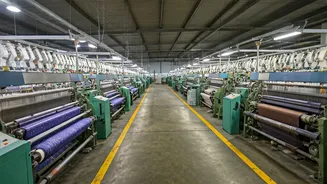
The Union Budget 2026 underscores the importance of modernizing textile clusters to promote growth and competitiveness in this vital sector. The government has prioritized revitalizing existing clusters to improve production efficiency and enhance product quality. The budget may include provisions for upgrading technology, providing skill development programs, and offering financial assistance to textile businesses. Modernization efforts involve introducing advanced machinery, adopting digital technologies, and implementing sustainable manufacturing practices. The focus is to enable textile manufacturers to meet evolving market demands and compete effectively in global markets. The initiative also aims to create employment opportunities and boost exports, contributing significantly to the economy. By supporting the modernization of textile clusters, the government endeavors to strengthen the sector and promote its long-term viability, positioning India as a key player in the global textile industry.
Duty Structure Review
A critical aspect of the Union Budget 2026 involves addressing the duty structure, particularly in labor-intensive sectors. The government will likely assess the current import and export duties, which can impact the competitiveness and profitability of labor-intensive industries. The goal is to streamline duty structures, reducing the burden on businesses, and promoting domestic manufacturing. This includes evaluating whether existing tariffs are causing trade imbalances or hindering growth. The budget may propose adjustments to duty rates, aiming to protect domestic industries while ensuring fair competition. The government might also introduce measures to simplify customs procedures and reduce compliance costs. Addressing these issues aims to provide a favorable environment for labor-intensive sectors, creating more jobs and boosting economic growth. The focus on improving the duty structure demonstrates the government’s commitment to supporting these vital industries and fostering a stable business environment.
Impacting Taxpayers
The Union Budget 2026 will undoubtedly outline provisions with significant implications for individual taxpayers. Understanding these aspects is crucial for every citizen. The budget is likely to announce any changes in income tax slabs, deductions, and exemptions, which directly impact the amount of tax payable and disposable income. There may also be provisions for promoting savings and investment, such as modifications to tax-saving instruments or incentives for specific investments. Additionally, the budget could introduce new measures to address tax compliance, such as simplifying the tax filing process or enhancing the efficiency of tax administration. Individual taxpayers should carefully review the budget to understand how the changes affect their financial planning. It's advisable to assess the potential impact on your tax liabilities and financial strategies. The government’s intent is to create a fair and efficient tax system that supports economic growth and individual financial well-being.
Tech Sector Highlights
The Union Budget 2026 includes significant announcements that impact the tech sector, reflecting the government's commitment to technological advancements and digital infrastructure. A notable aspect is likely the government's support for AI, cloud computing, and data infrastructure. This involves providing financial incentives, research grants, and policy support to promote innovation in these areas. The budget could allocate funds for setting up data centers, offering tax benefits, and encouraging private investment in the digital infrastructure. Furthermore, the budget might include initiatives to boost the domestic chip manufacturing industry, aiming to reduce dependence on imports and create a self-reliant tech ecosystem. The tech sector is expected to benefit from these measures. The government aims to foster an environment conducive to technological innovation, enhancing India's position in the global digital economy. These budget highlights underscore the government's strategic focus on leveraging technology to drive economic growth and enhance competitiveness.