






The Japanese Foot Soak Ritual
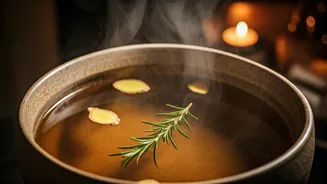
A unique Japanese practice, involving soaking feet in warm water for approximately 15 to 20 minutes, has been highlighted as a potential stroke prevention
technique, particularly for individuals over the age of 50. This method, originating from traditional Japanese and Chinese medicine, is believed to foster a balance in bodily energy and enhance blood circulation. Advocates suggest it aids in dilating blood vessels, which in turn improves blood flow and promotes a sense of calm. Furthermore, incorporating Epsom salt into the warm soak is thought to contribute to better sleep quality. This simple, accessible ritual is being presented as a noteworthy approach to proactive health management, with proponents expressing strong confidence in its efficacy.
Expert Medical Perspectives
While the appeal of warm foot soaks for relaxation and comfort is undeniable, medical professionals express skepticism regarding their direct impact on stroke prevention. Experts emphasize that strokes are critical medical emergencies stemming from disrupted brain blood flow, primarily linked to controllable factors such as high blood pressure, diabetes, elevated cholesterol, smoking, and overall lifestyle choices. They assert that the established and scientifically backed methods for reducing stroke risk involve consistent medical check-ups, a balanced diet, regular physical activity, and adherence to prescribed medications. Temporary improvements in local circulation or stress reduction from foot soaks do not influence the vital deeper arteries or the brain's blood supply, which are central to stroke prevention.
The Science of Stroke Prevention
Stroke prevention fundamentally relies on addressing its root causes: managing chronic conditions and adopting a healthy lifestyle. Medical experts strongly advocate for a systematic approach, often summarized by the acronym SMART. This involves a commitment to 'Stop smoking,' which is non-negotiable. 'Consume meals that are healthy' means actively avoiding junk and fried foods. 'Lead an active lifestyle,' incorporating activities like walking or running and steering clear of sedentary habits, is crucial. Finally, 'Get regular checkups done' to monitor weight, blood pressure, cholesterol, sugar levels, and heart health, alongside 'Treatment adherence' to any medications prescribed by a doctor, forms the cornerstone of effective stroke prevention strategies. These comprehensive measures are the proven pathways to safeguarding brain health.
Considerations for Specific Groups
Individuals with pre-existing medical conditions should approach practices like warm foot soaks with caution. For those managing diabetes or peripheral neuropathy, it is essential to meticulously monitor water temperature, as even mildly warm water can cause burns due to reduced sensation in the feet. Furthermore, individuals suffering from severe varicose veins or heart failure are advised to avoid prolonged exposure to hot water soaks. These precautions underscore the importance of consulting a healthcare provider before incorporating any new health routine, ensuring it aligns with individual health statuses and does not pose any unintended risks.