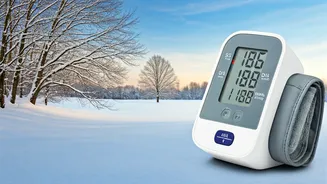








Winter's Blood Pressure Impact
Winter's chill can significantly influence blood pressure readings, and the impact should be understood. Cold temperatures often cause blood vessels to constrict,
leading to an increase in blood pressure. This effect is especially pronounced in individuals who are already susceptible to hypertension or who have existing cardiovascular conditions. To counter this, the body works harder to maintain its core temperature, resulting in increased stress on the heart and blood vessels. Factors like reduced physical activity in winter and changes in diet may also add to the problem, potentially resulting in higher blood pressure readings. Therefore, it's vital for those with blood pressure concerns to be aware of winter's influence and take proactive steps to manage their health appropriately during these colder months. Regular monitoring and appropriate medical consultations are helpful practices.
Monitoring Frequency During Winter
During winter, the frequency of blood pressure checks is often more crucial than other times of the year. Doctors usually recommend that blood pressure patients should monitor their blood pressure more often. Specific recommendations, however, should always come from a healthcare provider who can evaluate the individual's overall health and blood pressure trends. This might involve checking blood pressure at home several times a day to find any significant changes. Keeping a detailed record of blood pressure readings is vital, as it allows both the patient and the healthcare provider to spot patterns and changes that may require a change in treatment or lifestyle. Consistent monitoring helps in making necessary adjustments to medication, diet, and physical activity, all of which are critical in effectively managing blood pressure during the winter. Healthcare providers will determine the frequency to ensure the patient's well-being throughout the cold season.
Practical Winter Management Strategies
Effectively managing blood pressure during winter requires a combination of lifestyle adjustments and proactive measures. Firstly, staying warm is paramount. This can involve wearing warm clothing when outdoors, staying indoors during extremely cold weather, and maintaining a comfortable indoor temperature. Consistent physical activity is also vital; however, outdoor exercises should be replaced with indoor options, such as walking on a treadmill or participating in a fitness class. Regular exercise improves cardiovascular health and helps in blood pressure control. Diet plays a crucial role as well, with an emphasis on a healthy and balanced diet that is low in sodium and rich in fruits, vegetables, and whole grains. Individuals should also consider avoiding excessive alcohol consumption and managing stress levels, which can significantly impact blood pressure. Finally, keeping track of any changes in blood pressure levels and medication requirements through regular consultations with healthcare providers is critical. These steps are a reliable way to manage blood pressure effectively during the winter.