






Introduction: Balcony Bliss
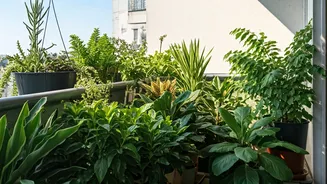
Balcony gardens offer a fantastic opportunity to bring nature into urban living, offering a refreshing retreat. Limited space shouldn't be a constraint;
instead, it is a chance to cultivate a curated collection of plants. Careful selection of plant species is key to creating a balcony garden that thrives. This guide presents seven unique and unusual plants, each selected for its adaptability, beauty, and ability to flourish in a balcony environment, enabling anyone to create a lush, green space.
The Venus Flytrap
The Venus Flytrap is a carnivorous plant that is sure to fascinate any observer. This plant is known for its ability to trap insects. They thrive in bright, indirect sunlight, and need a well-draining, nutrient-poor soil. This unique plant doesn't require a lot of watering and prefers to have its soil kept constantly moist. When caring for this unique plant, ensure you use distilled water as tap water often contains minerals that can harm the plant. Given its unusual nature, it's essential to understand its specific care needs to ensure it flourishes, adding an engaging element to your balcony garden.
The Air Plant
Air plants, or Tillandsia, are captivating plants that defy conventional gardening. These plants don't require soil to grow, getting all their nutrients and moisture from the air. Their care involves simple requirements like indirect sunlight and regular misting or soaking. The variety of air plant species provides numerous options for balcony gardens, each with unique forms and colors, thus adding visual interest. They are low-maintenance and are ideal for vertical gardens or small spaces. They offer versatility in how they can be displayed, easily enhancing the aesthetic appeal of any balcony with minimal effort.
The Pitcher Plant
Pitcher plants, belonging to the genus Nepenthes, are carnivorous plants that lure insects into their pitcher-shaped traps. They require bright, indirect light and a well-draining soil mix that is low in nutrients. Like the Venus Flytrap, they also appreciate consistent moisture, utilizing distilled or rainwater for best results. Various species offer different appearances, allowing for unique visual aspects. By having pitcher plants in your balcony garden, you'll be giving your balcony garden not only a visual appeal, but also some insect control.
The Miniature Orchid
Miniature orchids, often from the Phalaenopsis family, offer elegance and grace. These orchids thrive in filtered sunlight and enjoy consistent moisture, but require well-draining soil to prevent root rot. They come in various colors and forms, from classic white to vibrant purples. Their compact size makes them perfect for small spaces, like balconies. They can flourish with proper care, adding a touch of sophistication to your outdoor space, turning your balcony into a miniature paradise.
The String of Pearls
The String of Pearls (Senecio rowleyanus) is a unique succulent with trailing stems adorned with bead-like leaves, offering a unique aesthetic for a balcony. These plants require bright, indirect sunlight and well-draining soil to prevent root rot. Watering should be done sparingly, allowing the soil to dry out between waterings. Its cascading nature makes it excellent for hanging baskets or containers placed on higher surfaces. This unique plant adds texture and visual appeal to a balcony. With its distinctive appearance and easy-care nature, the String of Pearls can easily transform any balcony.
The Staghorn Fern
The Staghorn Fern (Platycerium) is a captivating fern that looks very unique, and is perfect for adding to your balcony garden. This plant requires bright, indirect light and high humidity. It's often mounted on a wooden board or other structure rather than planted in soil, as its roots require proper air circulation. Regular misting and occasional watering are necessary to keep it thriving. Their unusual appearance and elegant form make them a striking addition to any balcony. They offer a touch of the exotic with their interesting appearance and easy-care routine.