





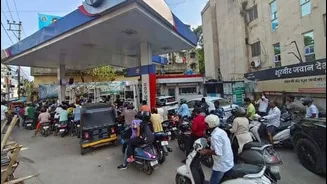
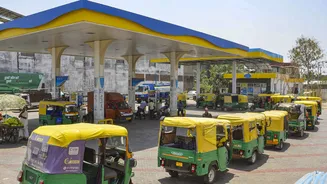
Rising Fuel Costs Bite
Passengers utilizing the Maharashtra State Road Transport Corporation (MSRTC) may soon need to budget for higher ticket prices. The recent surge in diesel
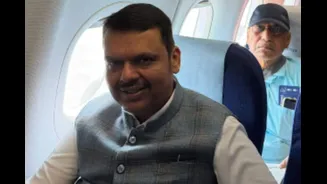
costs, driven by global geopolitical factors, has significantly amplified the operational expenses for the state-run transporter. Maharashtra's Transport Minister, Pratap Sarnaik, recently conveyed that the government is thoroughly evaluating the financial ramifications of this fuel price revision. He explicitly warned that an unavoidable fare increase could be on the horizon if diesel prices continue their upward trajectory. Minister Sarnaik highlighted that since fuel constitutes a substantial portion of MSRTC's expenditures, adjusting fares might become a necessary measure. However, he emphasized that no definitive decision or timeline has been established at this juncture, indicating ongoing assessments.
Global Triggers, Local Impact
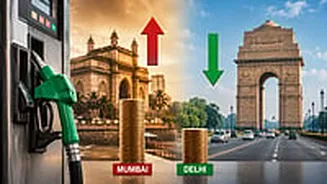
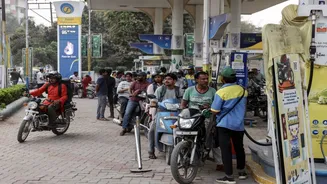
The recent hike in fuel prices is not an isolated domestic event but is linked to a broader global context. Escalating tensions in West Asia and concerns over supply disruptions through the Strait of Hormuz, a vital global oil transit route, have contributed to a spike in international crude oil prices. This global phenomenon has directly translated into increased fuel costs locally. In Mumbai, following this revision, diesel prices climbed to Rs 93.14 per litre, while petrol reached Rs 106.68 per litre. This intensification of fuel costs poses a considerable challenge for public transport systems like MSRTC, which are heavily reliant on these commodities to keep their fleets running and serving the public.
MSRTC's Financial Strain
For the Maharashtra State Road Transport Corporation (MSRTC), which operates a massive fleet of approximately 15,000 buses and consumes around 12 lakh litres of diesel daily, the current fuel price increase poses a severe threat to its already precarious financial health. The corporation is reportedly incurring losses in the range of Rs 120–130 crore per month. With diesel, a major operational expense, becoming even more costly, sustaining current fare levels is becoming increasingly challenging. Officials have indicated that the cumulative pressure from escalating diesel prices, coupled with rising maintenance and general operational costs, is placing substantial strain on the corporation. MSRTC plays a pivotal role as a critical transportation link for countless passengers, particularly in rural and semi-urban areas across Maharashtra, where alternative transport options are often scarce.
Past Revisions and Future Outlook
This potential fare revision is not unprecedented for MSRTC, which has had to adjust its pricing strategy in response to financial pressures before. Earlier in the summer, the corporation implemented a temporary 10 per cent seasonal fare increase. Subsequently, in January 2025, a more substantial 15 per cent fare hike was introduced, marking the first broad adjustment in nearly three years. These previous increases were attributed to mounting fuel and maintenance expenses. MSRTC, as the state's largest public transport authority, operates a vast network of around 15,000 buses, connecting cities, towns, and remote villages. It serves as an essential mobility lifeline for millions of daily commuters, especially in regions where private transport is less accessible. Currently, the base fare starts at Rs 10 for journeys up to 6 kilometers on ordinary buses, while premium services like the Shivshahi AC bus on the Pune-Nagpur route can cost up to Rs 1,845.