
Principled Stance on Gaza
India's approach to the Gaza conflict is deeply rooted in principles. Its historical participation in peacekeeping missions has always been under the explicit
framework of the United Nations Charter. This commitment continues to guide its involvement in Gaza. Any departure from this established position would necessitate a clear mandate, viability, and international consensus. This adherence to principles underscores India's dedication to international law and its responsible role in global affairs. The core message is clear: India supports genuine steps toward peace, advocating for an immediate ceasefire and sustained de-escalation as the foundation for any lasting political process. This stance is seen as crucial for creating a conducive environment for dialogue and ultimately, a sustainable resolution.
Avoiding Premature Moves
The Indian government is wary of rushing into commitments that might not last. Officials believe that moving from Phase I to Phase II of a ceasefire too quickly could be counterproductive, particularly if the initial phase isn't fully stabilized. Premature transitions, they warn, risk jeopardizing the fragile gains made on the ground. This assessment stems from the understanding that conflict zones are prone to trust breakdowns. Therefore, the emphasis is on ensuring that peace efforts have a credible chance of succeeding before committing to them fully. The government is focused on stability and realism to prevent destabilizing an already sensitive situation. This pragmatic approach is a key aspect of India's policy, ensuring that its actions are well-considered and aligned with long-term goals.
Historical Perspectives & Realism
Officials within the Indian government are looking back at past peace initiatives, noting that similar coalitions have experienced mixed results. These past experiences reinforce the need for realism over symbolic gestures that might crumble under pressure. This historical awareness shapes India's approach, encouraging a focus on the practical aspects of peace-building rather than being swayed by optimistic pronouncements. The government acknowledges the complex realities on the ground, and understands the risks involved in making commitments that may not be sustainable. By drawing from these past experiences, India hopes to contribute meaningfully to a lasting peace, grounded in realism and a thorough understanding of the challenges involved. This cautious approach also reflects the importance of learning from previous mistakes and avoiding them.
Diplomatic Support and Recognition
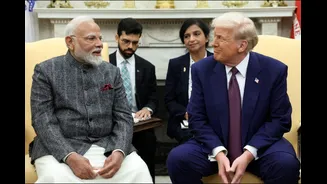
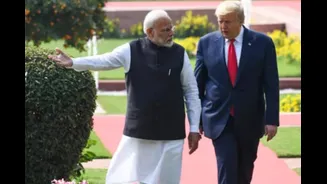
Prime Minister Narendra Modi expressed his congratulations to former US President Donald Trump and Israeli Prime Minister Benjamin Netanyahu for their leadership in advancing the ceasefire process. This gesture highlights India's support for any diplomatic efforts aimed at reducing violence and creating space for dialogue. The message is clear: India welcomes the efforts to reduce violence and promote dialogue. This reflects India's consistent commitment to finding peaceful resolutions and its recognition of the importance of diplomatic leadership in achieving those goals. While cautious, the country is actively involved in encouraging peaceful negotiations. This diplomatic acknowledgment underlines India's support for global efforts to de-escalate conflicts and create an environment where peace can flourish.