




Books as Luxury Accents
The fashion world is currently captivated by a unique trend where literature is being integrated into high-end accessories. Brands are transforming literary
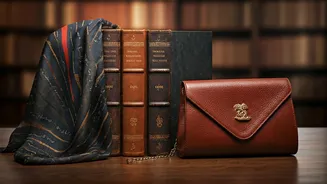
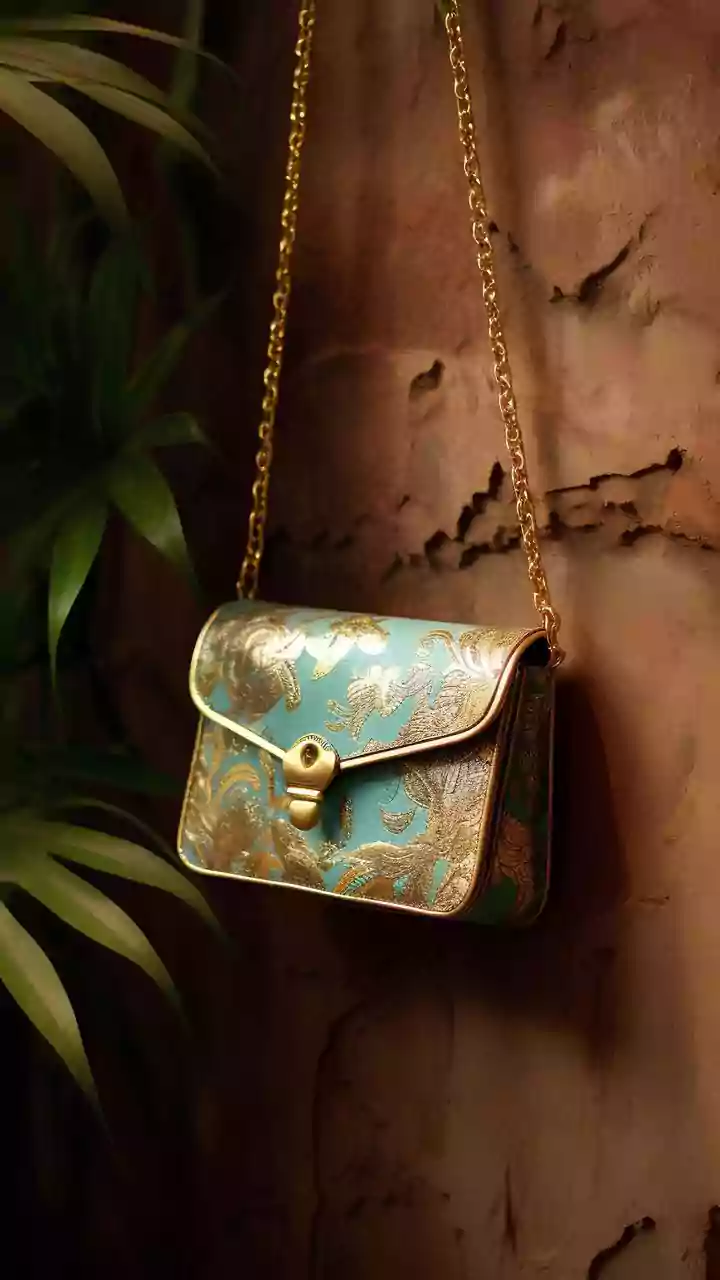
works into tangible fashion statements, moving beyond simple prints to incorporate miniature books and iconic cover art. For instance, one prominent brand introduced totes adorned with embroidered first-edition covers of classic novels, like James Joyce's 'Ulysses.' Another designer showcased handbags accented with tiny, functional book charms, featuring titles such as Jane Austen's 'Sense and Sensibility' or Maya Angelou's 'I Know Why the Caged Bird Sings.' These meticulously crafted items, often measuring just a few inches, are positioned more as decorative tokens of intellectualism and taste rather than functional reading material. The hefty price tags, with some totes costing upwards of Rs 3.25 lakh, underscore their status as luxury goods, signaling a shift where literary appreciation is expressed through exclusive fashion choices.
The Symbolism of Style
The allure of these literary fashion pieces extends beyond their aesthetic appeal; they represent a significant cultural shift where reading has become associated with a desirable social standing. Experts suggest that carrying a book or book-inspired item has evolved into a status symbol, particularly among celebrities and influencers, prompting the fashion industry to respond. The high cost of these accessories, like the $95 book charms, is indicative that their value lies not in the printed text but in the symbolic meaning they convey. This trend is further amplified by extensive marketing campaigns that often feature popular Gen Z influencers and youth-oriented communities. This strategic approach aims to connect with a demographic that is increasingly seeking authentic ways to express their individuality and values, positioning books and reading as integral to a well-curated personal identity. The embrace of these literary accoutrements reflects a broader cultural movement where intellectual pursuits are consciously displayed as part of one's public persona.
DIY and Self-Expression
The popularity of these fashionable literary items has also sparked a vibrant do-it-yourself (DIY) culture. Inspired by the trend, creators on platforms like Instagram and YouTube are sharing tutorials on how to craft their own miniature book charms for books not featured in official collections. This creative response highlights a desire for personalization and accessibility, as some consumers find the branded charms too expensive or cumbersome. Many are turning to more budget-friendly alternatives, such as initial charms or handmade embellishments, to achieve a similar stylistic effect. This DIY movement underscores the underlying theme of self-expression that drives the literary fashion trend. Both Dior and Coach's initiatives, exemplified by Coach's 'Explore Your Story' campaign and Dior's archival approach, position these accessories as tools for individuals to articulate their identities, values, and connections to narratives. Whether it's celebrating specific literary themes or historical contexts, these items serve as canvases for personal storytelling and cultural commentary.
Literature and Cultural Commentary
The integration of literature into fashion goes beyond mere aesthetics, often carrying deeper cultural and political undertones. Dior's 'Book Collection,' for example, features first-edition covers of 19th and 20th-century literature, inviting interpretations of historical and societal issues. The embroidery of Bram Stoker's 'Dracula,' for instance, has been viewed as a commentary on late-Victorian fears surrounding immigration, demonstrating how fashion can serve as a platform for historical dialogue and social critique. Similarly, Coach's micro-book charms are designed to represent facets of self-expression, such as challenging societal ideals or celebrating cultural identity. This approach allows consumers to align themselves with specific literary works that resonate with their personal beliefs and values. By choosing accessories that feature particular books, individuals can subtly communicate their perspectives on complex themes, transforming fashion into a medium for intellectual engagement and personal advocacy.
The Indian Connection
In India, the trend of literary fashion is met with a unique blend of aspiration and democratization. While luxury brands sell cultural symbolism, the Indian market often adapts these symbols through imitation, making them more widely accessible. Literary consultant Namrata notes that replicas of luxury items featuring literary imagery may circulate more broadly than the original pieces. Furthermore, the visibility of Indian readers has significantly increased, thanks to platforms like BookTok and Bookstagram, which have transformed reading from a private hobby into a public identity. Fashion stylist Devki Bhatt observes that reading, which has always held social capital in Indian households, is now being visibly expressed through attire and accessories. This is not entirely new, as Indian literature has long been represented in fashion through items like Faiz Ahmed Faiz-themed tote bags or dupattas featuring Saadat Hasan Manto's poetry. The current trend, however, sees this expression elevated through luxury labels and a more curated, stylish approach, making literature a wearable aspect of personal identity.
Reading or Being Seen?
The rise of literary fashion prompts a crucial question: does it genuinely encourage reading, or is it primarily about the perception of being a reader? Experts like Anish Chandy suggest that the trend taps into a desire for individualism, moving away from generic branding towards motifs that speak to personal interests. While celebrity endorsements might create awareness, they don't necessarily translate into actual reading habits for everyone involved. Namrata argues that these accessories make 'being seen as a reader fashionable,' rather than necessarily making reading itself cool. However, she also posits that this visibility, even if symbolic, keeps literature relevant in the social sphere. Cultural habits can initially manifest as aesthetic choices before evolving into genuine engagement. Therefore, the performative aspect of literary fashion might serve as a gateway, maintaining literature's social currency and potentially sparking curiosity that leads to deeper engagement with books over time.