





Tariff Reductions Detailed
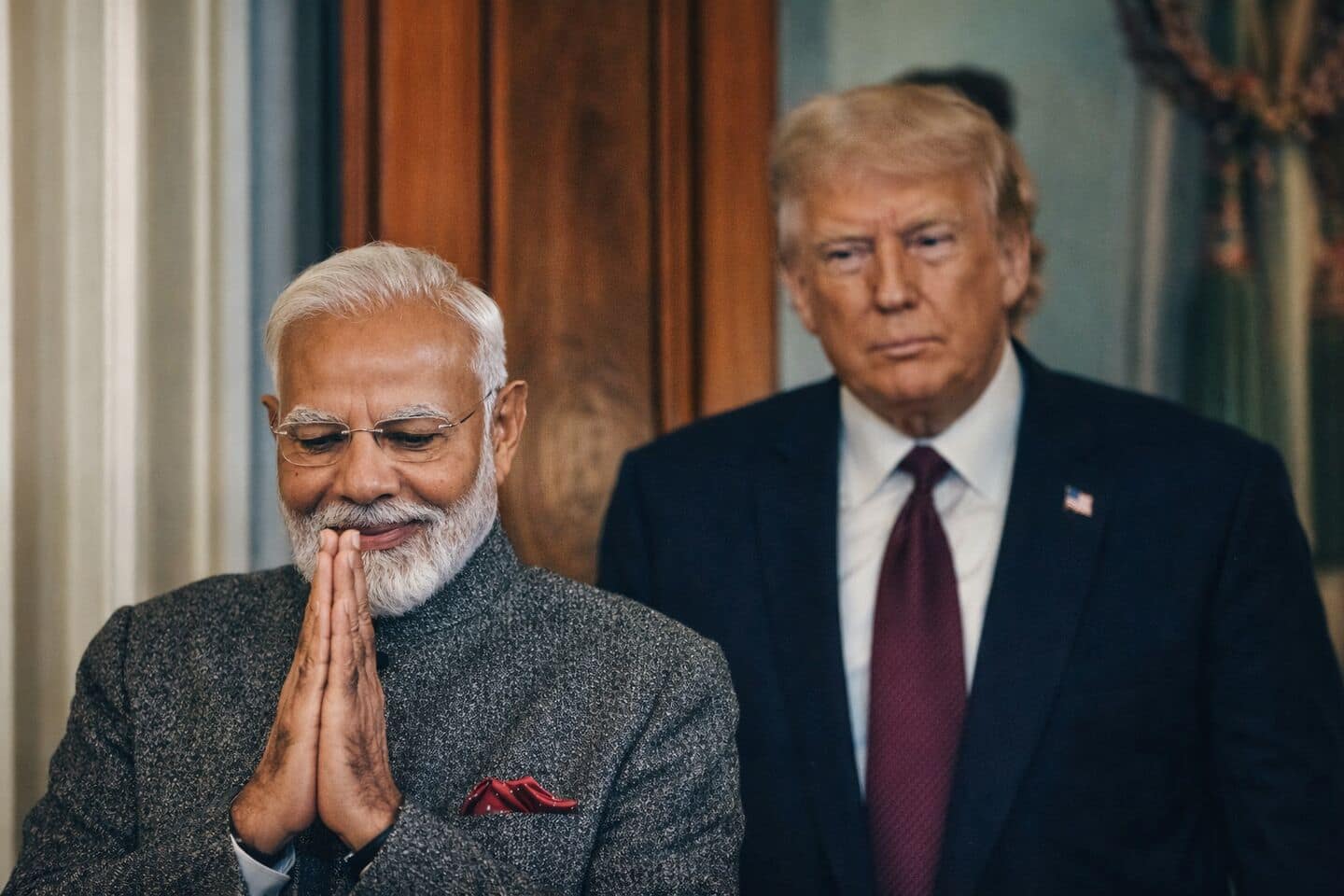
The recently announced trade framework between the United States and India clarifies significant adjustments to import duties. The US has agreed to decrease
its reciprocal tariff rate on Indian imports from a previous 25% down to 18%. Furthermore, a substantial additional tariff of 25% previously applied to Indian oil imports will be completely removed. This adjustment comes in acknowledgment of India's commitment to cease its procurement of Russian oil. The White House statement provided clarity on these points, addressing earlier discussions and President Trump's assertion regarding India's agreement to reduce tariffs and non-tariff barriers.
Market Access for US Goods
India has pledged to significantly open its vast market to a wide array of American products under the new trade agreement. This commitment includes the elimination or reduction of tariffs on all US industrial goods. Additionally, a broad spectrum of US food and agricultural items will see reduced import duties. Specifically mentioned are products such as dried distillers' grains (DDGs), red sorghum, tree nuts, fresh and processed fruits, various pulses, soybean oil, wine, and spirits, among others. This move is expected to boost US exports and provide Indian consumers with greater access to these goods.
India's Substantial Commitments
A cornerstone of the US-India trade deal is India's commitment to substantial purchasing of American products. New Delhi has agreed to procure over $500 billion worth of goods from the United States, spanning crucial sectors. These include energy, information and communication technology, agricultural coal, and other product categories. This represents a significant increase in bilateral trade and signals a strong economic partnership. India has also committed to tackling non-tariff barriers that currently hinder bilateral trade in key areas, further facilitating smoother commerce.
Digital Trade and IP
The agreement also addresses the evolving landscape of digital trade and intellectual property. India has committed to removing its digital services taxes and will engage in negotiations to establish robust bilateral digital trade rules. These rules aim to prevent discriminatory or burdensome practices and remove other obstacles to digital trade, including prohibiting customs duties on electronic transmissions. Both nations also agreed to negotiate rules of origin, ensuring that the agreed-upon trade benefits primarily accrue to the United States and India. Cooperation on inbound and outbound investment reviews and export controls is also emphasized.
Future Negotiations Outlook
The current agreement serves as a framework for a broader US-India Bilateral Trade Agreement (BTA). In the coming weeks, both Washington and New Delhi plan to implement this framework and work towards finalizing an interim agreement. This paves the way for concluding a comprehensive BTA that will secure benefits for American workers and businesses. Future negotiations will focus on addressing remaining tariff barriers, additional non-tariff barriers, technical trade regulations, customs facilitation, good regulatory practices, trade remedies, services and investment, intellectual property rights, labor and environmental standards, government procurement, and unfair practices by state-owned enterprises.