






India's Dominant Batting
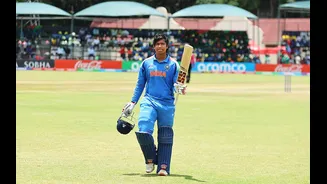
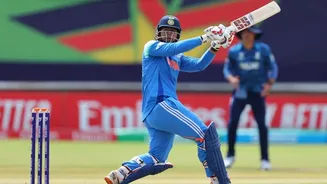
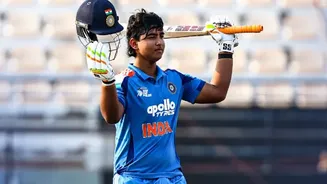
India's formidable batting display set the stage for their victory, anchored by a spectacular century from Vaibhav Sooryavanshi. The young prodigy's blistering
175 off 80 balls demoralized the English bowlers and propelled India to a commanding total of 411 for 9 in their allotted 50 overs. Skipper Ayush Mhatre's decision to bat first after winning the toss proved astute, as the team, unbeaten throughout the tournament, showcased exceptional composure. While Sooryavanshi was the undisputed star, other contributions were vital in building such a colossal score, demonstrating the depth of India's batting lineup. The English bowlers, despite their efforts, were largely outmatched by the aggressive batting and the flat nature of the pitch, which offered little assistance.
England's Resilient Chase
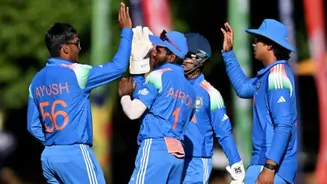
Despite the daunting target, England's chase showed flashes of brilliance, particularly from Caleb Falconer. He fought a lone battle, crafting a magnificent century that kept England's hopes alive for a significant period. However, the consistent fall of wickets at crucial junctures hampered their progress. Early struggles by the openers against India's probing seam bowling put them under immense pressure, making boundary-hitting a difficult task. While partnerships formed, they struggled to sustain the required run rate. The Indian bowlers, led by RS Ambrish with three wickets, Deepesh Devendran and Kanishk Chouhan with two each, maintained pressure and exploited any sign of weakness, preventing England from building substantial momentum.
Wickets and Turning Points
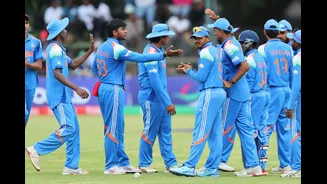
The match witnessed several critical junctures that ultimately swung the game in India's favour. The early wickets taken by Indian pacers, probing around the off-stump channel, set a positive tone. The run-out of Ralphie Albert due to sharp fielding was a significant blow, reflecting the high-intensity pressure applied by India. As England tried to build partnerships, the Indian bowlers consistently found ways to break them. Kanishk Chouhan's dismissal of skipper Thomas Rew was a key moment, chipping away at England's batting order. The capitulation of England's middle order under sustained pressure, with crucial wickets falling in quick succession, ultimately sealed their fate, leaving Falconer isolated.
Record Sixth Title
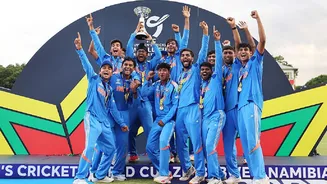
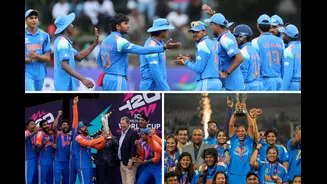
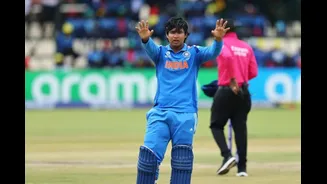
India's victory marked a historic milestone, securing their record-extending sixth U-19 World Cup title. This triumph underscores the nation's continued dominance in youth cricket and its robust development pipeline. The team's unbeaten run throughout the tournament highlighted their consistency and mental fortitude. The final itself was a testament to the skill and dedication of these young cricketers, showcasing a high level of competitive spirit. The win not only adds another glittering trophy to India's already impressive collection but also serves as inspiration for aspiring cricketers across the country, reinforcing India's status as a powerhouse in international cricket.