






Ethanol's Rising Influence
Uttar Pradesh is solidifying its position as India's top ethanol producer, a development that carries substantial political weight, particularly as the
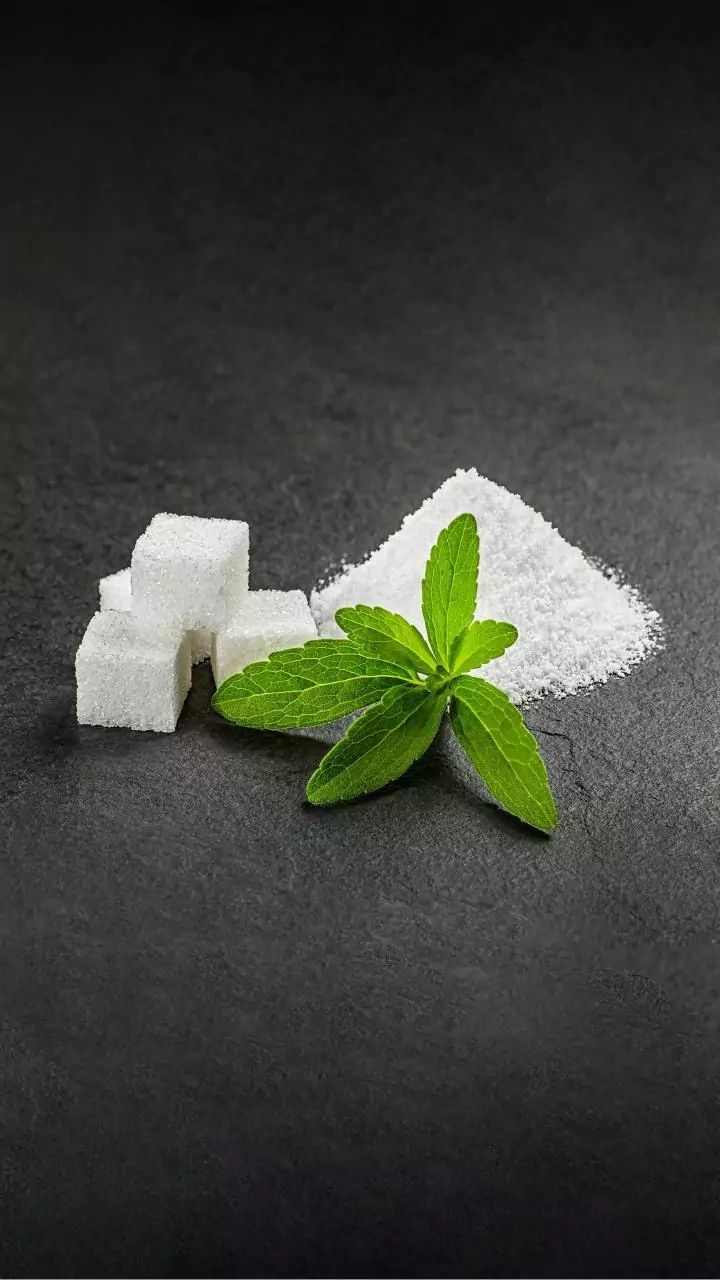
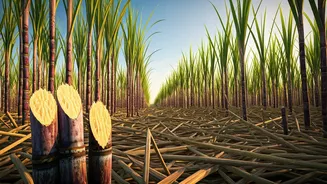
2027 Assembly elections draw near. The state boasts a massive base of approximately 50 lakh sugarcane farmers whose economic well-being is intricately linked to this agricultural sector. These farmers, along with their families, are expected to be a deciding factor in roughly 80 to 100 assembly constituencies, especially in the western and central regions of the state. Prime Minister Narendra Modi's recent emphasis on the nation's ethanol drive, highlighting the vital role of sugarcane farmers in Western Uttar Pradesh, has amplified the state's narrative of agricultural self-reliance and economic progress. This surge in ethanol production, a marked jump of four-fold since 2017, is increasingly being positioned as a key plank for the ruling party to garner support from the farming community.
Economic Transformation & Growth
The agricultural landscape of Uttar Pradesh has undergone a significant positive transformation, marked by a remarkable surge in ethanol production. Since 2017, the state's output has quadrupled, largely propelled by strategic government policies encouraging ethanol blending and the establishment of more distilleries. Official data reveals a dramatic increase from 42.70 crore litres in the 2016-2017 period to an impressive 187.80 crore litres by January of the 2025-26 fiscal year. Uttar Pradesh now dominates the national scene, contributing over 57% to India's total sugarcane output. This expansion is evidenced by a rise in cultivation area from 20.54 lakh hectares in 2016-17 to 28.61 lakh hectares by 2025-26. While the state has permits for around 100 distilleries, approximately 78 are currently operational, with a significant capacity utilization of about 60%, indicating substantial room for further growth. Ethanol from Uttar Pradesh is distributed nationwide through major Oil Marketing Companies and private entities, playing a crucial role in the country's energy security.
Farmer Welfare and Policy
The government is strategically leveraging the expansion of ethanol production as a pro-farmer reform, particularly in the lead-up to the upcoming elections. A significant step in this direction was the increase in the State Advisory Price (SAP) for sugarcane by Rs 30 per quintal for the 2025-26 crushing season, a move hailed as the highest since 2017. This enhanced price is projected to inject an additional Rs 3,000 crore into the pockets of sugarcane farmers during the current crushing season. Furthermore, the increased revenue generated from ethanol production has demonstrably improved the financial health of sugar mills, enabling them to make timely payments to farmers – a perennial concern and a key electoral promise of the BJP in past elections. The historical issue of delayed payments for sugarcane supply to mills has been a recurring challenge, and improved financial stability in the sector is seen as a crucial step towards farmer satisfaction.
Diversifying Raw Materials
While molasses derived from sugarcane remains the primary feedstock for ethanol production in Uttar Pradesh, the state is actively exploring alternative sources to bolster its output and supply chain resilience. To broaden the raw material base, efforts are underway to incorporate maize and broken rice, particularly grains not suitable for public distribution, into the ethanol manufacturing process. The government is actively encouraging an increase in maize cultivation across the state. This strategic push has already led to a notable rise in maize prices, climbing from approximately Rs 12 per kg to Rs 22 per kg over the last three years, directly correlating with the heightened demand from distilleries. This diversification not only secures a more stable supply of raw materials but also opens up new avenues for income generation for farmers cultivating these alternative crops.