







The Hydration Connection
Many individuals diligently pursue weight loss through dietary adjustments and regular exercise, only to find their progress plateauing. A common yet often
overlooked factor in these scenarios is hydration. The body's fundamental processes, including digestion, nutrient distribution, temperature regulation, and metabolic functions, are all significantly influenced by water intake. When the body experiences dehydration, these vital functions can decelerate, impacting the efficiency with which calories are utilized and stored fat is mobilized. Understanding this connection reveals that while diet and exercise are cornerstones of weight management, ensuring adequate fluid intake plays an equally critical, supporting role in achieving optimal bodily function and facilitating weight loss.
Water's Appetite Control
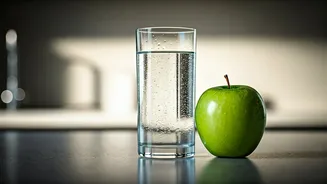
A crucial benefit of proper hydration for those aiming to shed pounds lies in its remarkable ability to manage appetite. Often, the sensation of thirst can be mistakenly perceived as hunger, leading to impulsive snacking or overconsumption of food. By incorporating a glass of water, especially before meals, individuals can foster a sense of fullness. This feeling of satiety can effectively curb overeating and help in controlling portion sizes during meals. This simple, yet impactful habit can contribute to a noticeable reduction in daily calorie intake, offering a sustainable approach to weight management without necessitating drastic dietary overhauls. It's a straightforward way to trick your body into feeling satisfied with less food.
Metabolic Powerhouse
Water plays a vital role in the intricate processes that break down food and enable nutrient absorption within the stomach and intestines. Optimal hydration ensures the digestive system operates smoothly, helping to prevent common discomforts such as bloating, sluggish digestion, and constipation. Furthermore, adequate water intake is intrinsically linked to lipolysis, the biological mechanism by which the body converts stored fat into energy. While consuming water in isolation does not directly trigger fat reduction, chronic dehydration can significantly impede this metabolic pathway, slowing down the body's fat-burning capabilities. Therefore, maintaining proper hydration is key to supporting an efficient metabolism and unlocking the body's natural fat-burning potential.
Fueling Workouts
The impact of hydration extends directly to physical performance and exercise efficacy. Dehydration can manifest as fatigue, unpleasant muscle cramps, and a noticeable decrease in endurance, all of which can derail a workout session. Interestingly, consuming water, particularly cold water, may offer a slight boost to resting energy expenditure as the body expends calories to warm the ingested fluid to its internal temperature. More importantly, staying well-hydrated is essential for maintaining consistent energy levels throughout a workout, enhancing muscle function, and promoting effective recovery following physical activity. It ensures your body is primed to perform at its best and recuperate efficiently.
Smart Beverage Choices
A practical strategy for enhancing hydration and supporting weight loss goals involves consciously reducing the consumption of sugary beverages and artificially sweetened drinks. These drinks often contribute empty calories and can paradoxically increase cravings for more unhealthy foods. By opting for water, fruit-infused water, or unsweetened herbal teas instead, individuals can significantly cut down on their daily caloric intake. This shift towards healthier beverage choices not only aids in calorie reduction but also cultivates more sustainable, health-conscious habits. Making these simple substitutions can have a profound positive impact on overall health and weight management efforts.
Daily Hydration Habits
Integrating sufficient water intake into your daily routine doesn't need to be complicated. Simple yet effective strategies can ensure you stay adequately hydrated throughout the day. Starting your morning with a glass of water is an excellent way to rehydrate after sleep. Drinking water intermittently between meals helps maintain hydration levels and can curb unnecessary snacking. Increasing fluid intake during periods of physical activity is also crucial for performance and recovery. Additionally, incorporating water-rich foods, such as fresh fruits, vegetables, and broths or soups, into your diet can significantly contribute to your overall daily fluid intake, complementing direct water consumption.