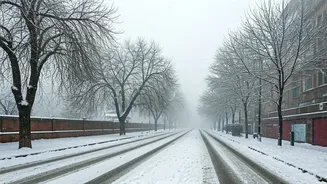

Delhi's Coldest Day
In the year 2026, Delhi witnessed its coldest day, a stark reminder of the winter's intensity. The temperature recorded was a mere 5.8 degrees, sending
a chill through the city. This extreme cold spell significantly impacted daily life, forcing residents to bundle up. The severity of the cold required people to find methods to keep warm, whether it was through heaters, heavy clothing, or staying indoors. The dip in temperatures highlighted the season's severity and prompted discussions on weather patterns and environmental conditions. This particular day served as a benchmark for the winter, prompting comparisons to previous years and sparking conversations about climate variations. The event garnered significant attention, with news reports and social media buzzing about the cold weather.
Weather Alerts Issued
Alongside the record-breaking cold, various weather alerts were issued to forewarn the public about the conditions. Northeast India braced for heavy rain, with frost warnings also in effect. The forecast for North India included fog alerts, suggesting that visibility would be reduced and potentially impacting transportation. These alerts underscored the widespread nature of the weather changes, advising people to prepare for various challenges. These alerts were essential for informing the public about potential hazards, encouraging them to take necessary precautions. The alerts were distributed through different media channels, including news outlets, government websites, and mobile notifications. The widespread alerts were crucial in promoting public safety and minimizing the impact of the challenging weather conditions across different regions in India. This further underscores the significance of staying informed about weather updates.
Regional Weather Patterns
The broader weather pattern across India revealed a varied picture. While Delhi shivered, other regions faced different challenges. Tamil Nadu prepared for heavy rain, indicating a contrasting experience. The frost warning in the Northeast presented another challenge, potentially affecting agriculture and daily routines. The fog alert in the North posed risks for travelers and commuters, demanding extra caution. These distinct regional weather conditions demonstrated the diversity within the country's climate. The contrasting experiences highlighted the impact of seasonal changes across different geographical areas. This further emphasized the need for region-specific weather forecasts and alerts to enable effective preparation and response to the conditions, ensuring safety and reducing the adverse impacts on communities and various activities. This also illustrated how weather patterns affect different parts of India concurrently, showcasing the complexity of regional weather dynamics.