
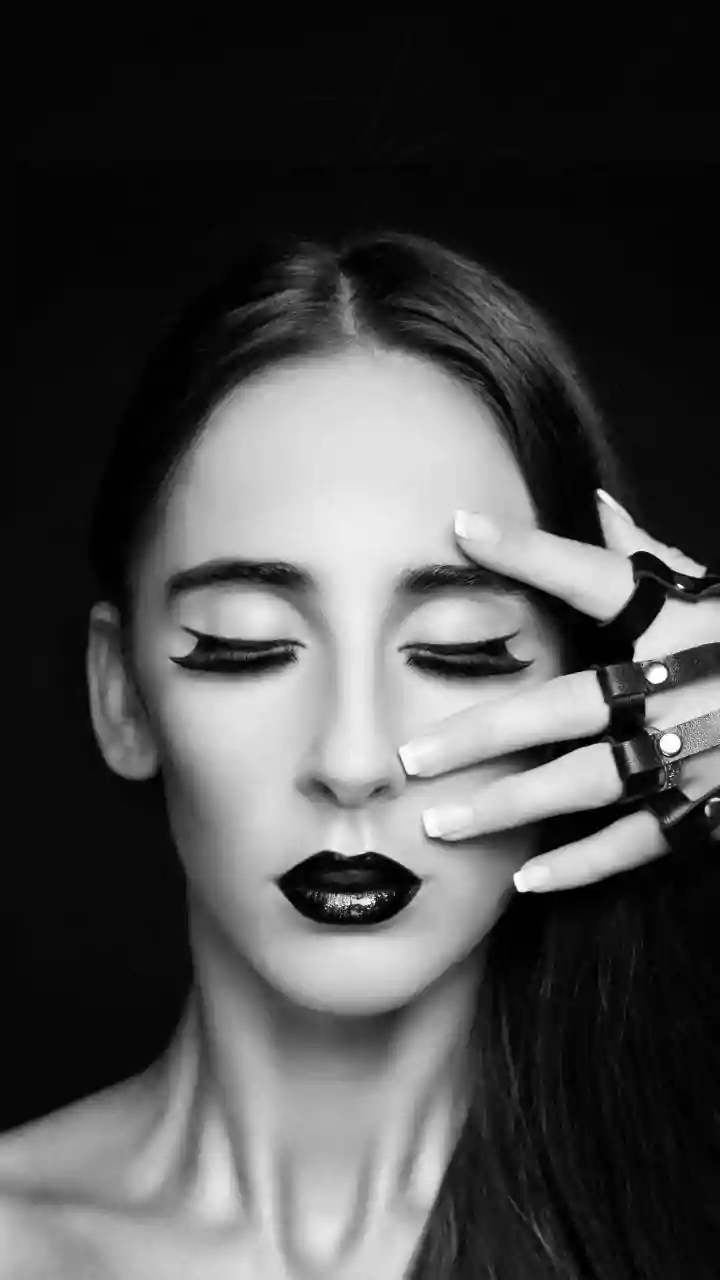





Hair and Identity
Our hair serves as a profound extension of our identity and self-perception, influencing both how we view ourselves and how we anticipate others will perceive
us. This deep connection means that changes to our hair often carry significant emotional weight. For many, particularly women, hair can be intricately linked to deeply ingrained societal notions of femininity and personal style. Consequently, drastic changes like shaving one's head can feel like shedding more than just strands; it can represent a release from perceived vanity or externally defined beauty standards. This highlights the powerful emotional charge associated with our hair, demonstrating its integral role in shaping our personal narrative and sense of self. The act of modifying our hairstyle, therefore, becomes a tangible way to communicate internal shifts and personal evolution to the world.
The Urge for Change
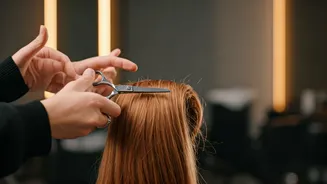
The inclination to dramatically alter one's hairstyle frequently intensifies during periods of significant life upheaval or emotional turmoil. Whether it's a major breakup or navigating a period of intense personal challenge, the desire for a fresh haircut, new bangs, or a bolder color choice often emerges as a compelling urge. This impulse is more than just a fleeting whim; it's a symbolic act of marking a transition. By changing an external and visible aspect of ourselves, we consciously or unconsciously seek to signify an internal transformation. This external shift acts as a powerful signal, a psychological 'reset' that acknowledges a new phase or a changed state of being, much like actress Kriti Sanon described her recent haircut as a form of 'therapy' and an 'instant reset' for her mood and energy.
Regaining Control
In situations marked by uncertainty and a feeling of powerlessness, such as navigating a breakup or undergoing major life changes, altering one's appearance can become a vital mechanism for reclaiming a sense of agency and control. When many aspects of life feel intangible and beyond our influence, the act of cutting or styling one's hair offers a concrete and immediate way to exercise personal choice. This tangible action provides a much-needed sense of autonomy, allowing individuals to feel like they are actively participating in their own transformation. A new hairstyle can effectively serve as a declaration of renewal, a quiet but potent statement that signifies the emergence of a 'new version' of oneself, emphasizing reinvention and self-determination.
The Validation Cycle
Beyond the personal satisfaction of a new look, the positive impact of a haircut is often amplified by external validation. When others notice and compliment a new hairstyle, it reinforces the positive feelings associated with the change. This external affirmation creates a powerful feedback loop: feeling good about the decision to change, receiving positive reactions from others, and subsequently experiencing a boost in confidence. This cycle of personal choice, external recognition, and strengthened self-assurance directly contributes to an uplift in mood. It transforms the act of getting a haircut from a simple aesthetic adjustment into a reinforcing experience that positively impacts one's emotional well-being and overall outlook.