

Elegant Chaise Longues
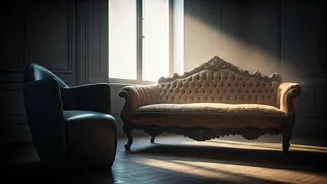
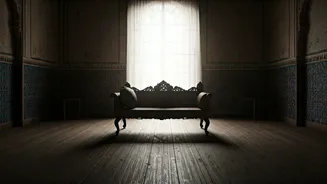
Once considered the pinnacle of sophisticated relaxation, the chaise longue graced many a formal drawing-room. Its generous dimensions and singular purpose
of reclining meant it was a statement piece. However, in today's more compact living spaces, and with a growing preference for versatile furniture that can serve multiple functions, the chaise longue's substantial footprint and single-user design have rendered it impractical for many modern Indian homes. It represented an era of leisurely indulgence that has largely given way to more utilitarian and space-saving solutions.
Obsolete Secretary Desks
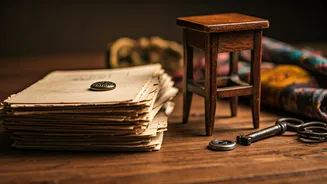
These desks, characterized by their elegant, fold-down writing surfaces and often intricate interiors, were once indispensable for managing personal affairs. From penning letters to balancing household accounts, they served as the central hub for correspondence and financial organisation. The advent of digital communication, with emails and online banking taking precedence, has dramatically reduced the need for a dedicated space for handwritten notes and detailed ledger entries. Consequently, the secretary desk, a symbol of a more paper-intensive past, has largely been relegated to antique collections or decorative displays rather than daily use.
Forgotten Smoking Stands
Reflecting a different social climate where indoor smoking was more prevalent, smoking stands were thoughtfully designed pieces of furniture. They typically incorporated compartments for ashtrays, cigarette boxes, and matches, providing a convenient and organised solution for smokers. As societal attitudes shifted, driven by increasing health consciousness and widespread awareness of the dangers associated with smoking, its practice indoors significantly declined. This reduction in smoking directly led to the obsolescence of smoking stands, which are now a nostalgic reminder of a past habit.
Obsolete Telephone Tables
Before the era of ubiquitous mobile phones, landline telephones were the primary means of communication for many households. To accommodate these devices, specific furniture emerged, such as telephone tables. These compact benches often included a small seat for convenience and dedicated space to store telephone directories and notepads for messages. With the widespread adoption of mobile phones and cordless landlines, the need for a fixed telephone stand disappeared, making these specialized tables a relic of a bygone communication age.
Vanished TV Cabinets
In the days of bulky cathode-ray tube televisions, large and imposing TV cabinets and entertainment centres were a common sight. These substantial pieces of furniture were designed to house and conceal not only the television set but also associated electronic equipment like VCRs and sound systems. The significant evolution in television technology, leading to sleek, flat-screen models that are often wall-mounted, has rendered these oversized cabinets largely irrelevant. Modern living rooms now favour minimalist aesthetics, making these once-essential behemoths redundant.
Outdated Vanity Tables
Vanity tables once served as dedicated personal spaces for grooming, makeup application, and dressing. They provided a designated area with mirrors and storage for beauty products, allowing individuals to prepare themselves in comfort. However, the integration of well-equipped bathrooms in most modern homes, often featuring built-in mirrors and ample storage solutions, has diminished the necessity for a separate vanity table. This shift has led to their gradual disappearance from contemporary interior design schemes.
Faded Waterbeds
Achieving peak popularity in the 1970s and 1980s, waterbeds were marketed as innovative and exceptionally comfortable sleeping surfaces, offering a futuristic experience. Despite their initial appeal, practical challenges began to surface. Their considerable weight posed installation and moving difficulties, while the ongoing maintenance required to prevent leaks and maintain water temperature proved burdensome. Ultimately, these issues, coupled with the potential for significant water damage, led to a decline in their popularity, making them a less common choice in modern bedrooms.
Reasons for Disappearance
The decline of these furniture pieces is a direct consequence of sweeping societal and technological advancements. The primary drivers include the relentless march of technology, which has rendered single-purpose items obsolete, and the increasing trend towards smaller living spaces in urban environments. Furthermore, there's a pronounced shift in design philosophy, favouring multifunctional, adaptable, and minimalist furniture that prioritizes flexibility and a clean aesthetic over the formality and singular utility of past eras. Furniture today is expected to serve multiple roles and blend seamlessly into diverse lifestyles.