





Monsoon Outlook 2026
The India Meteorological Department (IMD) has issued a concerning initial forecast for the 2026 monsoon season, predicting rainfall at 92% of the Long
Period Average (LPA). This marks the lowest initial prediction in nearly three decades and falls into the 'below normal' category, defined as rainfall between 90% and 95% of the LPA, with a possible error margin of 5%. The LPA itself, representing average rainfall from June to September, stands at 87 cm. Analysis indicates a 31% likelihood of below-normal rains and a significant 35% chance of 'deficient' rainfall, meaning less than 90% of the LPA. While some regions, including parts of the Northeast, Northwest, and South Peninsular India, might still experience normal to above-normal rainfall, the majority of the country, particularly Central and Western India along with states like Odisha, are expected to face reduced precipitation. This outlook is primarily attributed to the anticipated development of El Niño conditions around June, a phenomenon historically linked to weaker monsoon patterns in India. However, experts suggest that a potential positive Indian Ocean Dipole (IOD) later in the season and reduced Northern Hemisphere snow cover could offer some mitigating factors.
Food Price Surge Risk
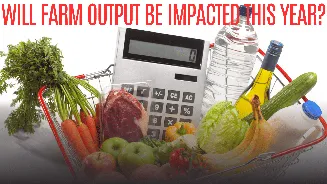
The potential for a subpar monsoon raises immediate concerns regarding food price inflation, even though current levels remain relatively stable at 3.87% as of March 2026. Experts are cautioning that a prolonged period of reduced rainfall could push the Consumer Price Index (CPI) inflation significantly higher, potentially reaching between 4.5% and 5% later in the year. Commodities that are heavily reliant on adequate rainfall are particularly vulnerable to price increases. This includes essential crops like pulses (such as dal), oilseeds, and paddy (rice), as reduced yields directly translate into higher market costs. The situation is compounded by existing global factors; rising food costs are coinciding with increased input expenses, stemming from global conflicts that affect the prices of fertilizers and energy. This dual pressure creates a challenging outlook for household budgets. Furthermore, a monsoon deficit could intensify India's dependence on more expensive imported edible oils and potentially limit the country's ability to export sugar, thereby constricting domestic supply and exacerbating price pressures.
Kitchen Budget Impact
The implications of the projected below-normal monsoon extend directly to household kitchen budgets. Consumers can anticipate a gradual increase in the cost of staple food items, such as rice and lentils, beginning in the July-September quarter. This rise will occur as the impact of lower rainfall becomes evident in agricultural output and market arrivals. Beyond raw food ingredients, the cost of cooking itself is also affected. Following hikes in LPG (cooking gas) prices in March, the expense of restaurant meals and prepared foods has already started to climb. While the prices of perishable items like vegetables are currently stable, they remain highly susceptible to disruptions caused by localized weather events and the associated transportation costs, which could also see increases. The critical period for monsoon performance will be between July and September, coinciding with the expected strengthening of El Niño conditions. The month-by-month forecast indicates a normal start in June, followed by below-normal rainfall in July, significant deficits expected in August, and the highest risk of severe shortages in September. An updated outlook from the IMD is scheduled for the last week of May 2026, providing further clarity.