






A Legend's Farewell
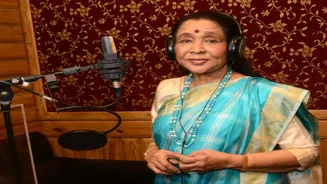
The vibrant world of Indian music has lost one of its most cherished and dynamic voices with the passing of Asha Bhosle at the age of 92. Her extraordinary
career, spanning over eight decades, profoundly influenced the nation's cinematic and musical landscape, leaving an indelible mark. Asha Bhosle, a key figure in the Mangeshkar musical dynasty, was admitted to Mumbai's Breach Candy Hospital due to severe exhaustion and a chest infection, as announced by her granddaughter. The hospital confirmed her passing, attributing it to multi-organ failure. Her son confirmed the arrangements for the public to pay their respects and the final rites, marking the end of an era for an artist celebrated for her immense versatility and enduring appeal.
Ageing Lungs, Vulnerable Defences
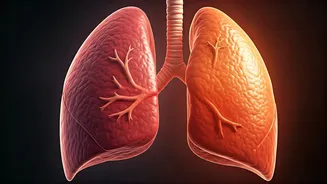
Dr. Ravi Shekhar Jha, a leading pulmonologist, sheds light on why chest infections, also known as Lower Respiratory Tract Infections (LRTI), are particularly prevalent and challenging for individuals in their nineties. As the body ages, its immune system naturally weakens, diminishing its ability to fight off pathogens. The cough reflex becomes less potent, hindering the efficient expulsion of mucus and trapped germs from the respiratory passages. Furthermore, many nonagenarians experience difficulties with swallowing, a condition that can lead to small amounts of food or saliva inadvertently entering the lungs without obvious signs of choking, thereby increasing the likelihood of recurrent infections. Reduced physical activity also plays a significant role; when elderly individuals spend extended periods in sedentary positions, their lungs may not fully expand, leading to poor air circulation in the lower lung regions and creating an environment conducive to infection. Pre-existing health conditions such as COPD, heart disease, or diabetes further compound these risks, as does mild dehydration, which can thicken respiratory secretions, making them harder to clear.
Subtle Signs of Illness
Dr. Jha emphasizes a crucial point often overlooked in the elderly: exhaustion can frequently be the initial indicator of an infection, rather than the more typical symptoms like fever or a pronounced cough. In older adults, infections do not always manifest in the classic way we might expect. Instead, they may present with more generalized and less specific symptoms such as profound weakness, unusual sleepiness, or episodes of confusion. This makes early detection and intervention more complex, requiring a keen awareness of subtle changes in an individual's overall demeanor and cognitive state. Recognizing these less apparent signs is vital for prompt medical attention and management.
Preventive Strategies for Health
Maintaining good health in advanced age involves a proactive approach to prevention. Dr. Jha recommends regular immunizations against influenza and pneumococcus as foundational measures to bolster defences against common respiratory threats. Meticulous oral hygiene is also critical, as it helps reduce the bacterial load in the mouth, which can otherwise contribute to respiratory issues. Encouraging regular movement, such as sitting up, walking, and performing simple breathing exercises, is essential for ensuring adequate lung expansion and maintaining respiratory function. Furthermore, ensuring sufficient hydration and maintaining a balanced nutritional intake are paramount, as these factors directly influence the consistency of secretions and the body's overall resilience. For individuals who struggle with swallowing, employing appropriate feeding techniques and maintaining a proper posture during meals can significantly mitigate the risk of aspiration. Ultimately, a combination of attentive care, lifestyle adjustments, and medical precautions can make a substantial difference in safeguarding the well-being of older adults.