






Supply Chain Disruption
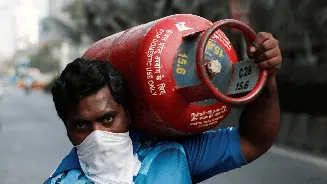
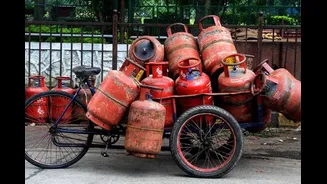
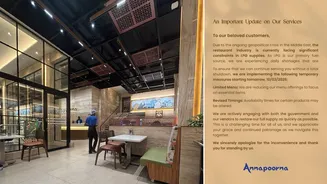
A noticeable decline in commercial LPG deliveries began around March 9th, with many restaurants reporting receiving only about 20% of their usual gas supply.
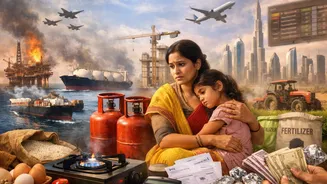
This disruption is directly linked to global shipping route issues stemming from the ongoing conflict between Iran and Israel. India, which imports a substantial amount of its cooking gas from West Asia, is now experiencing the consequences. The limited LPG availability means that priority is being given to essential services like hospitals and educational institutions. Oil marketing companies have already alerted commercial and industrial users about these supply constraints, signaling a period of reduced availability for businesses.
Kitchen Operations Impacted
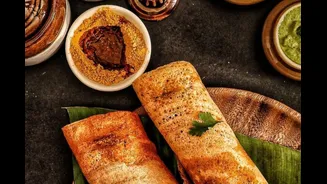
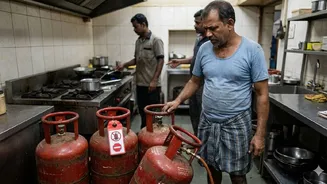
The reduced LPG supply is significantly affecting the daily operations of numerous eateries. Dishes like the iconic masala dosa, which require high-flame burners for preparation, are particularly vulnerable. Arun Adiga, managing partner of the esteemed Vidyarthi Bhavan, highlighted how this shortage is already disrupting their kitchen workflow. While smaller restaurants might use six to eight cylinders daily, larger establishments can consume between ten to twelve. This dependency on gas means that even brief interruptions can cause substantial operational difficulties, forcing chefs to reassess their cooking methods and energy sources to maintain service standards and customer satisfaction amidst these challenges.
Menu Reimagination
In response to the dwindling LPG supplies, some restaurants are proactively adapting their menus. The focus is shifting towards dishes that demand less gas or can be prepared using alternative energy sources like electric equipment. Consequently, traditional favourites might temporarily make way for items such as sandwiches, oven-baked pizzas, comforting soups, and other preparations that require lower heat or minimal cooking time. This strategic adjustment aims to ensure business continuity and continue serving customers, even if it means a temporary departure from their signature offerings and a diversification of their culinary repertoire to meet evolving operational realities.
Cultural Landmark Under Pressure
The current situation has ignited widespread discussion, especially given the cultural significance of establishments like Vidyarthi Bhavan in Bengaluru. Founded in 1943, this restaurant is renowned for its delectable benne masala dosa, alongside other popular items like idli-vada, poori saagu, kesari bhath, and robust filter coffee. The restaurant had previously gained considerable attention last year after an American-Indian vlogger couple shared their positive dining experience, which included a detailed review of their masala dosa. Despite its beloved status, the restaurant, like many others, now faces the challenge of adapting to the current LPG scarcity, prompting a reevaluation of how it will continue to serve its loyal patrons.