





Unhealthy Tiffin Dilemma
The sight of kids consuming chips and instant noodles in a viral classroom video sparked a significant debate among parents. The key question is whether
packing such items daily is truly acceptable. This has prompted many to rethink the contents of their children's tiffins and consider the long-term health implications. Parents are increasingly seeking guidance on making healthier choices. This highlights a crucial need for practical advice on how to build a well-balanced tiffin that ensures kids receive essential nutrients while also enjoying their meals. The concern about poor dietary habits at a young age emphasizes the importance of making informed food choices for the healthy development of children.
Healthy Food Defined
Defining 'healthy food' is crucial when considering Indian dietary habits. Healthy eating goes beyond just avoiding processed foods; it involves incorporating a variety of food groups that provide essential nutrients. In the Indian context, this includes incorporating a balanced mix of grains, pulses, vegetables, fruits, and dairy products. It's about providing meals that nourish growing bodies while also catering to local tastes and preferences. This also means being mindful of portion sizes and the frequency with which certain food items are included in children's meals. Understanding this definition helps parents make informed choices, ensuring their children receive a well-rounded diet that supports their growth and overall well-being. A focus on whole foods, prepared in healthy ways, is key to nurturing a child's health.
Building Balanced Tiffins
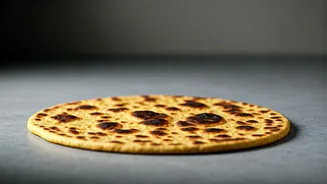
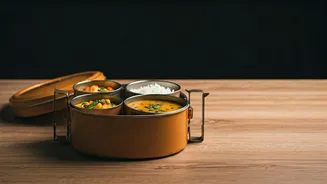
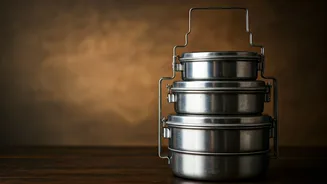
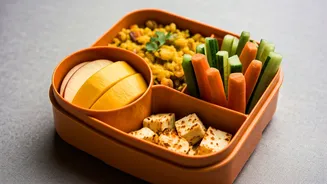
Building a balanced Indian tiffin is all about careful planning. It is critical to include a variety of food groups. Start with a base, like roti, paratha, or rice, and pair it with a protein source such as lentils (dal), chickpeas (chhole), or paneer. Include a serving of vegetables like sabzi (cooked vegetables) and a portion of fruits, such as banana or apple. Consider including a small portion of healthy fats, like nuts or seeds. Varying these items daily prevents boredom. Parents can also consider the child's preferences and adjust the meal plan accordingly, offering diverse flavors and textures. This approach not only provides essential nutrients but also encourages children to develop a positive relationship with food, which is essential for healthy eating habits throughout their lives. Encouraging them to drink water over sugary drinks completes the picture.
Snack Options for Kids
Selecting snacks that kids will actually eat is essential for ensuring they receive necessary nutrients between meals. Parents should choose snacks that are both tasty and nourishing. Fruits, such as oranges, grapes, or berries, are a great choice as they offer natural sugars and essential vitamins. Vegetable sticks, such as carrot or cucumber, combined with a small portion of hummus are another healthy alternative. Homemade snacks, like whole-wheat crackers, are a good option. Avoid commercially processed snacks, that are high in sugar, salt, and unhealthy fats. When selecting snacks, consider the child's individual preferences, allergies, and the ease of eating and packing the snack for school. Planning and preparing snacks in advance saves time, and offers kids choices that promote their health and well-being. Offering these options helps ensure that kids stay energized and focused throughout the school day.
Best Indian Tiffin Foods
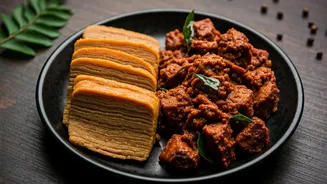
Several Indian foods are well-suited for daily tiffins. Roti or paratha, paired with a vegetable curry or a lentil-based dish, offers a balanced meal. Rice can be served with dal or a simple vegetable such as spinach. Idli and sambar or uttapam are nutritious South Indian options that are easy to pack and eat. For variety, include options like vegetable pulao. Yogurt (dahi) or a small portion of curd rice can add probiotics and essential nutrients. It is about balancing taste, nutrition, and practicality to ensure children enjoy their meals while receiving a well-rounded diet. The variety of Indian cuisine allows for daily experimentation, ensuring that kids get different nutrients every day. Preparing these meals in advance can save parents time and ensure a consistent supply of healthy food for kids.
Instant Noodles and Kids
The health implications of instant noodles for children are a serious concern. While these may seem convenient, they often lack nutritional value, containing high levels of sodium, unhealthy fats, and artificial additives. Doctors typically advise against the regular consumption of instant noodles due to the potential health risks, including weight gain, heart disease, and other health issues. Parents must understand the need to limit instant noodles, as it is a far cry from the nutritional value provided by home-cooked meals. This awareness should be coupled with a proactive approach to provide healthier alternatives to prevent long-term health complications. Parents should prioritize whole foods, avoiding processed foods to maintain kids' optimal health and wellness.
Foods to Limit
Certain foods should be limited in a child's diet. Processed foods, such as chips, packaged snacks, and instant noodles, are often high in unhealthy components. Sugary drinks, including sodas and fruit juices, should be avoided or consumed sparingly. Excessive amounts of saturated fats and trans fats, which are found in fried foods and many packaged items, can harm children's health. Parents should carefully check food labels, focusing on nutrient content, added sugars, and sodium levels. By limiting these foods and selecting healthier alternatives, parents can reduce their children's exposure to unnecessary ingredients. These steps can help improve the child's overall well-being and promote a long-term healthy lifestyle. Creating awareness is crucial.
Protein-Rich Tiffin Ideas
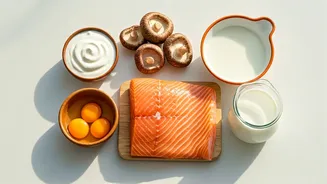
Incorporating protein-rich tiffin ideas is crucial for supporting children's growth and development. Hard-boiled eggs are a convenient and protein-packed option, as are paneer or tofu-based meals. Lentils (dal) and chickpeas (chhole) are also excellent sources of protein. Yogurt or curd rice offers both protein and probiotics, enhancing gut health. Nuts and seeds, such as almonds or pumpkin seeds, provide additional protein and healthy fats. Including protein in daily tiffins promotes satiety, helps regulate blood sugar levels, and supports muscle growth. Combining these foods with vegetables and whole grains provides a well-balanced meal that supports a child's overall health and energy levels. These easy-to-prepare ideas help parents pack nutritious tiffins that children will enjoy eating daily.