



Bumps & Sweetness Explained
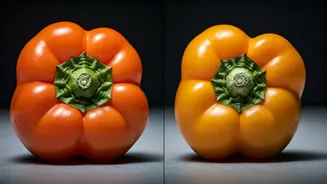
Nauheed Cyrusi recently shared an insightful tidbit: the number of bumps on a capsicum can indicate its sweetness. According to her, capsicums with four
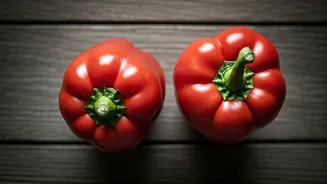
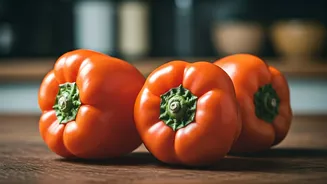
distinct bumps tend to be sweeter, making them an excellent choice for raw consumption, such as in salads. Conversely, those with three bumps are described as less sweet, suggesting they are better suited for cooked dishes. This observation bridges the gap between common kitchen wisdom and culinary science, highlighting a simple visual guide for selecting produce based on intended use. The distinction lies in how these lobes develop, influencing sugar concentration and texture, offering home cooks a practical way to achieve desired flavors and mouthfeels in their meals.
The Science of Lobes
Nutritionist Ashlesha Joshi clarifies that while the number of bumps is a helpful indicator, it's not the sole determinant of capsicum sweetness. Natural sugar concentration and ripeness play significant roles. However, she notes a valid reason for the general sweetness associated with four-lobed capsicums: they often develop thicker walls and higher sugar content, potentially due to increased sun exposure during their growth phase. This leads to a milder, naturally sweet flavour profile ideal for uncooked applications. In contrast, the firmer, three-lobed varieties possess a slightly more robust and less sweet flavour, rendering them more resilient to heat and thus perfect for cooking methods like stir-frying or grilling, where they maintain their structure and contribute a deeper taste.
Nutritional Value Unchanged
Contrary to what one might assume, the number of bumps on a capsicum does not significantly alter its nutritional profile. Expert insights confirm that there isn't scientifically proven evidence to suggest a difference in nutrient content solely based on the number of lobes. Both three- and four-bump varieties are rich sources of Vitamin C, vital antioxidants like beta-carotene, and beneficial dietary fibre. The actual nutritional impact, alongside sweetness, is more closely tied to the capsicum's ripeness and colour. Ripe red and yellow capsicums, irrespective of their bump count, typically boast higher levels of antioxidants and a sweeter taste compared to their green counterparts, emphasizing colour as another key indicator for selection.
Heat Transforms Flavor
The way a capsicum is prepared can dramatically alter its flavour. Cooking, whether through sautéing, roasting, or stir-frying, initiates chemical changes that affect its taste. The heat breaks down natural sugars and softens the cellular structure, which can reduce any inherent bitterness and enhance sweetness. For capsicums that are already sweet, like the four-lobed ones, the caramelization process during cooking deepens their flavour notes, adding complexity. For the firmer, slightly bitter three-lobed capsicums, heat serves to mellow out their sharper tastes, making them more palatable and integrated into dishes. This interaction of heat with the vegetable's compounds underscores the importance of choosing the right type for the desired culinary outcome.
Choosing Wisely
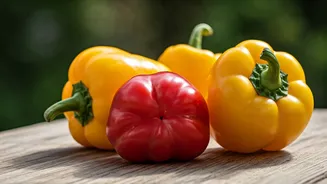
Beyond the number of bumps, several other factors can help you select the best capsicum. Colour is a reliable indicator: green capsicums are generally less ripe and tend to be more bitter, while yellow, orange, and red varieties signify full ripeness and a naturally sweeter taste. Always opt for capsicums with a glossy, firm surface. This visual cue suggests freshness and indicates that the vegetable is packed with nutrients. So, the next time you're at the market, remember to check the bumps and the sheen to guide your choice—four bumps for sweet, raw preparations, and three bumps for robust cooked dishes, ensuring optimal flavour and texture in every meal.