





What Is It?
Solar radiation storms are energetic events originating from the sun. They're caused by eruptions like solar flares and coronal mass ejections (CMEs).
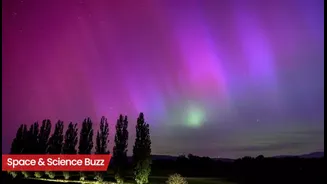
These events release massive amounts of radiation, including high-energy particles that can travel at incredible speeds. When these particles reach Earth, they can cause various effects, ranging from beautiful auroras to disruptions in technology. The intensity of these storms can vary greatly, with some being relatively minor and others posing significant threats to infrastructure in space and on the ground. Understanding these storms is crucial for protecting our technology and ensuring the safety of space and aviation operations. These storms are a regular occurrence, tied to the sun's 11-year solar cycle.
Impacts on Technology
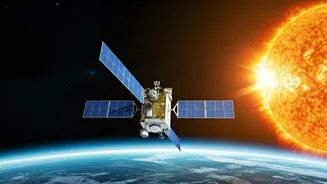
The high-energy particles released during solar radiation storms can have severe consequences for satellites and aircraft. Satellites are particularly vulnerable as they operate in the harsh environment of space. The radiation can damage their electronics, leading to malfunctions or even complete failures. This can disrupt vital services like communication, navigation, and weather forecasting, all of which rely on these orbiting platforms. Aircraft, especially those flying at high altitudes and over polar routes, also face increased radiation exposure. This can pose a health risk to passengers and crew, and it can also interfere with aircraft communications and navigation systems. The potential for disruption highlights the importance of monitoring space weather and issuing timely alerts.
NOAA's Role Explained
The National Oceanic and Atmospheric Administration (NOAA) plays a pivotal role in monitoring and forecasting space weather. NOAA's Space Weather Prediction Center (SWPC) is responsible for tracking solar activity and issuing alerts and warnings about potential solar storms. Using a network of ground-based observatories and satellites, NOAA monitors the sun's behavior, measuring solar flares, coronal mass ejections, and other events that could trigger a space weather storm. They then analyze this data to predict the intensity and timing of these events, providing valuable information to various sectors, including satellite operators, airlines, and power grid operators. These warnings help to protect critical infrastructure and minimize potential disruptions.
Alerts and Precautions
When a solar radiation storm is predicted, NOAA issues alerts and warnings to various stakeholders. These alerts are designed to give them time to take precautionary measures. Satellite operators may adjust satellite operations to minimize exposure to radiation, potentially shutting down sensitive equipment or altering orbits. Airlines may reroute flights or change altitudes to reduce passenger and crew exposure. Other sectors, such as power grid operators, may also take steps to protect their systems from potential disruptions. These alerts can range from minor advisories to more serious warnings, depending on the severity of the expected storm. The proactive approach taken by NOAA and other organizations demonstrates the importance of preparing for space weather events.