






The Freshness Code
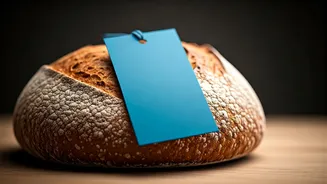
The humble bread tag, often overlooked, serves a crucial purpose in the journey from bakery to your table. Introduced as an ingenious method for streamlining
inventory management, these colour-coded plastic tags allow bakery and grocery store personnel to quickly discern the age of bread loaves. With frequent deliveries occurring throughout the week, staff need an efficient visual indicator to practice proper stock rotation, ensuring that older bread is sold before it loses its appealing texture and flavour. This innovative colour system replaces the need for date stamps on every single bag, offering a straightforward and easily recognizable way to manage freshness and minimise waste. Each distinct hue is directly associated with a specific day of the week, providing an immediate understanding of when a particular loaf was baked and its optimal consumption window.
Decoding the Colours
The specific colour-coding for bread tags follows a consistent pattern that's remarkably easy to learn. For instance, a blue tag signifies that the bread was baked on a Monday, while a green tag indicates it was prepared on a Tuesday. Moving through the week, a red tag points to a Thursday bake, and a white tag means the bread is from Friday. Finally, a yellow tag identifies bread baked on a Saturday. It's noteworthy that both Wednesday and Sunday are typically omitted from this colour chart. This is primarily because most large-scale bakeries do not operate on these specific days, thus eliminating the need for a corresponding tag colour. By understanding this simple yet effective system, you can instantly gauge the freshness of any loaf. For example, if you encounter a loaf with a red tag, you can be confident it was baked on the most recent Thursday.
Your Freshness Advantage
While the colour-coded bread tag system was initially designed for bakery and store staff, its benefits extend directly to consumers. Armed with this knowledge, shoppers can proactively select the freshest possible bread, enhancing their overall enjoyment of baked goods. Imagine it's a Friday, and you spot a loaf adorned with a white tag – this tells you that particular bread is freshly baked for that very day. Conversely, if it's Monday and you find a yellow-tagged loaf, it suggests that this batch has been available since Saturday. This seemingly minor detail can have a significant impact on the taste and texture of your bread, particularly for those who appreciate a soft, moist crumb. It empowers you to make informed choices, ensuring that the bread you bring home is at its absolute best, offering a superior culinary experience.
Beyond the Standard
It's important to acknowledge that while this colour-coding system is widely adopted, it's not universally applied across all bakeries and brands. Some establishments opt for more direct methods, such as printing the baking date directly onto the packaging. However, in many regions, particularly within the United States, the bread tag colour system remains a dependable and practical guide for freshness. For those who understand the code, it feels like uncovering a well-kept secret, a hidden hack that provides an insider's advantage. This simple yet effective innovation is a prime example of how everyday objects can hold surprising utility, making our lives a little easier and our bread a lot fresher.