


Introduction to Untapped Trails
India's trekking scene often spotlights well-known paths, but a wealth of less-traveled routes offers equally stunning experiences. These lesser-known
treks present a chance to escape crowds and immerse oneself in unspoiled natural beauty. They provide a unique perspective on the country's diverse landscapes and cultures, from the Himalayas to the Western Ghats. These routes often showcase unique geographical features, diverse flora and fauna, and offer a more intimate connection with the local communities, enriching the overall trekking experience. Choosing a less-traveled path provides both a physical and a mental escape, making the trek more personal and memorable.
Trek: Goecha La, Sikkim
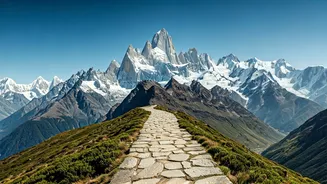
The Goecha La trek in Sikkim, while not entirely unknown, presents a different experience compared to the more crowded Everest Base Camp trek. The trek rewards adventurers with views of Kanchenjunga, the world's third-highest peak. The trail traverses through rhododendron forests, alpine meadows, and glacial lakes, offering varied landscapes. The Goecha La trek is typically considered a moderate to challenging trek, demanding physical endurance and acclimatization to high altitudes. The journey allows for an encounter with the local culture. Trekkers pass through quaint villages, interact with locals, and witness their unique way of life. This trek typically takes around 9-11 days, covering approximately 90 kilometers. Proper preparation, including fitness training, acclimatization, and essential gear, is crucial for a successful and enjoyable experience.
Trek: Valley of Flowers, Uttarakhand
The Valley of Flowers in Uttarakhand is renowned for its vibrant display of alpine flowers during the monsoon season. However, this article highlights the lesser-known aspects and alternatives to the traditional trek. The valley is home to numerous species of flowers, and the trek offers a visual feast for nature lovers. The experience often includes crossing gushing streams, walking amidst lush greenery, and the opportunity to spot rare wildlife. The trek typically takes around 6-7 days, with shorter or extended versions available depending on the trail and routes taken. The best time to visit the Valley of Flowers is during the monsoon season when the flowers are in full bloom, usually between July and September. Trekking in the Valley of Flowers also provides opportunities for birdwatching. Some lesser-known trails around the Valley allow for experiencing the local culture more intimately.
Trek: Markha Valley, Ladakh
The Markha Valley trek in Ladakh offers a unique experience in the cold desert environment of the Himalayas. The trek takes you through a high-altitude landscape, with stunning views of the surrounding mountains and valleys. You walk along the Markha River, passing through traditional Ladakhi villages, allowing for interactions with the local communities. The trek often involves crossing several streams and rivers, adding an element of adventure. It's usually a moderate to challenging trek, requiring acclimatization to high altitudes. The trek offers opportunities for wildlife spotting. Markha Valley is known for its diverse fauna, including snow leopards and ibex. This trek typically spans around 7-10 days, covering a distance of approximately 75-90 kilometers. The best time to trek Markha Valley is from June to September.
Trek: Sandakphu, West Bengal
Sandakphu, the 'Peak of Poison Plants', in West Bengal, offers panoramic views of the world's highest peaks, including Everest and Kanchenjunga. The trek is particularly famous for the 'Sleeping Buddha,' a mountain range that appears like a sleeping figure. The trail passes through rhododendron forests and picturesque villages, offering glimpses into local culture and lifestyle. This trek provides a variety of experiences, from dense forests to open ridges, offering diverse landscapes. The moderate to challenging trek is accessible for a range of fitness levels. The trek is known for its beautiful sunrises and sunsets. The average trek duration is around 6-8 days, covering approximately 50-60 kilometers. The best time to visit is during the spring or autumn months.