
Passport Power Explained
The Henley Passport Index is a globally recognized ranking that evaluates the strength of a passport based on the number of destinations its holders can
access without a prior visa. This index uses data from the International Air Transport Association (IATA). It considers visa-free access and visa-on-arrival options as key indicators. Countries with visa-free access to many nations typically rank higher because it means their citizens can travel more easily and explore a wider range of global opportunities without the complicated process of obtaining visas in advance. Passport power is often correlated with a country’s economic strength, diplomatic relations, and global influence, making it a valuable measure of a nation's standing in the international community. The higher the ranking, the more doors open to travelers, affecting tourism, business, and educational opportunities.
Indian Passport's Standing
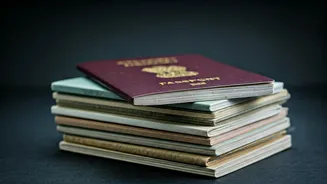
The Henley Passport Index for 2026 provides a specific ranking for the Indian passport, which is essential to assess its current strength. While the exact ranking can vary year to year, the Indian passport generally offers access to a significant number of countries either visa-free or with visa-on-arrival. This access enables Indian citizens to travel to numerous destinations around the world. However, the precise number of countries accessible without a visa can fluctuate based on reciprocal agreements, changes in international policies, and geopolitical factors. Comparing the Indian passport's ranking with those of other nations, such as those in Europe, North America, and parts of Asia, shows the areas where the Indian passport excels and where it could improve in terms of travel freedom. Evaluating these comparisons helps to understand the challenges and opportunities for Indian passport holders in terms of international mobility.
Factors Affecting Rankings
Several factors affect a passport's ranking in the Henley Passport Index. These include the country’s diplomatic relations with other nations. If a country maintains strong ties and mutual agreements with others, it often results in visa waivers for its citizens. Additionally, economic stability and growth play a role, as countries with robust economies typically enjoy more favorable travel policies. The security situation of a country also influences its passport power; countries perceived as safe and stable usually have greater access to other nations. Reciprocity is also a crucial factor, as visa policies are often reciprocal; if a country offers visa-free access to another, it is more likely to receive similar privileges in return. Internal policies, such as ease of obtaining a passport and the country's immigration regulations, also contribute to the overall ranking, shaping the travel experience for citizens.
Impacts on Travelers
The strength of a passport greatly impacts the experiences of Indian travelers. A passport with a higher ranking gives citizens greater ease of access to destinations, reducing the need for lengthy visa application processes and allowing for more spontaneous travel. This increased mobility allows travelers to explore new cultures, attend international events, and pursue educational opportunities more easily. However, a lower-ranked passport can present challenges, requiring more planning and potentially limiting travel options. Travelers might face visa restrictions, additional fees, and longer processing times. The passport ranking also influences business travel. Companies find it easier to send employees to various countries for meetings, conferences, and business ventures when their passport offers more accessibility. This affects economic growth by facilitating international trade and partnerships, boosting India's global engagement.
Improving Passport Power
Several strategies can be implemented to enhance the power of the Indian passport. Strengthening diplomatic relations with other countries is essential. This can lead to reciprocal visa agreements and increased travel freedoms. Promoting economic growth and stability also plays a vital role. A stronger economy often results in more favorable international perceptions and policies. Streamlining passport issuance and immigration processes, making them more efficient and user-friendly, can also help. Participating in international forums and negotiations to advocate for visa-free travel is another effective approach. Encouraging tourism and fostering positive international relations can enhance a country's reputation and create opportunities for travel. Continuous efforts in these areas can lead to a more powerful and globally recognized passport.
Passport and Global Mobility
Passport strength is crucial in determining global mobility. For Indian citizens, a robust passport opens the door to greater international opportunities. It enables easier access to international education, allowing students to study abroad without visa barriers. It also boosts employment prospects by facilitating the ability to work in various countries, expanding career horizons. Furthermore, a strong passport fosters cultural exchange. It encourages people to explore diverse cultures and participate in global events, thus enriching personal and professional development. The freedom of movement afforded by a strong passport supports both personal aspirations and contributes to India's global presence. It allows Indian citizens to become active global citizens, contributing to international collaborations and dialogues.
Future Trends & Outlook
Looking ahead, several trends may affect the future of passport rankings and global mobility. Digitalization is playing a growing role, with advancements in e-passports and online visa applications. These technologies could streamline travel processes and increase accessibility. Geopolitical changes, such as shifts in international relations and global conflicts, can also influence passport power. Economic developments, including the growth of emerging markets, can create new opportunities and influence travel patterns. Sustainability is gaining importance, which may affect travel choices and policies. These trends will likely shape future travel experiences. The Indian passport's future will be influenced by these changes. Continuous adaptation and strategic initiatives are key to maintaining and enhancing the passport’s strength.