







Temperature Plunge Observed
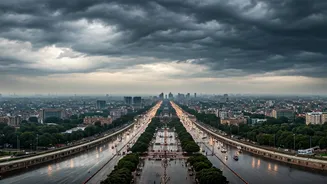
The national capital experienced a considerable decrease in temperature following a spell of rain. The meteorological data revealed that the mercury dipped
by over 6°C. This drop offered some relief to the citizens from the scorching heat. This change in temperature was a direct consequence of the rainfall, as the atmospheric conditions transformed. The rain brought with it cooler air, and the subsequent cloud cover further contributed to the reduction in temperature. This weather shift brought a change in the daily lives of Delhi residents, and allowed them to enjoy comparatively cooler and more bearable conditions. The relief from the heat was immediately noticeable, making outdoor activities and commuting more comfortable.
Air Quality Unchanged
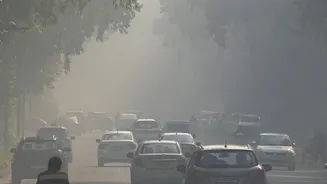
While the rain successfully lowered the temperature, it failed to cleanse the city's air. Despite the precipitation, the air quality index remained alarmingly high, indicating persistent pollution. This lack of improvement in air quality was a major disappointment for the residents, as rainfall often helps in clearing pollutants. The pollutants in the air, including particulate matter and other harmful substances, remained suspended. The rainfall might have temporarily suppressed some of the pollutants but did not succeed in effectively removing them from the atmosphere. This situation highlights the complex nature of Delhi’s air pollution problem, and showed that the issue is not easily solved by a single weather event like rain. The city's air quality continues to be a serious public health concern, even after the rain.
Understanding the Paradox
The contrast between the temperature drop and the lack of improvement in air quality shows a complicated situation. The phenomenon can be attributed to several factors. The composition and concentration of pollutants in the atmosphere, and the intensity and duration of the rainfall, all affect how rainfall impacts air quality. In some cases, rain can wash away pollutants. However, in other instances, it can also lead to the resuspension of pollutants, temporarily worsening air quality. Moreover, the sources of pollution, such as vehicular emissions, industrial activities, and seasonal factors like stubble burning, significantly influence the air quality. The prevailing weather conditions and the pattern of air movement also play a role in dispersing or concentrating pollutants. Addressing Delhi's air quality issues requires a comprehensive strategy involving various actions and measures.
Moving Forward
To address the challenges posed by Delhi's air quality, a multi-pronged approach is essential. The focus needs to be on implementing sustainable strategies. These strategies should include promoting public transportation, encouraging the adoption of electric vehicles, and strictly enforcing emission standards. Furthermore, controlling industrial emissions and effectively managing waste are vital. Investing in green infrastructure, such as urban forests and green spaces, can help improve air quality. It is crucial for both the government and the public to cooperate in a concerted effort. This will create a healthier environment. This can be achieved through awareness campaigns, promoting responsible practices, and making pollution control a collective responsibility. Continuous monitoring, data analysis, and timely interventions are also vital to measure and improve air quality effectively.