






Oxford: Timeless Elegance
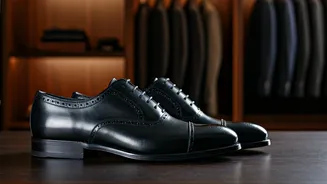
Oxford shoes, often regarded as the quintessential formal footwear, are characterized by their closed lacing system. This design feature gives them a sleek
and refined appearance, making them a top choice for formal events and professional settings. Their closed lacing, where the eyelets are sewn beneath the vamp, contributes to a streamlined silhouette. Oxfords typically boast a low heel and a polished leather finish, enhancing their formal appeal. This classic style is known for its versatility, effortlessly complementing suits and dress pants. The San Frissco Men's Formal Oxford Shoes are a prime example of this enduring style, offering a blend of traditional design and modern comfort. They have earned their place as a staple in any man's formal wardrobe due to their ability to provide a sophisticated touch.
Derby: Versatile Choice
Derby shoes, unlike Oxfords, feature an open lacing system where the eyelets are sewn on top of the vamp. This design allows for a slightly wider fit and makes them a versatile choice for both formal and semi-formal occasions. The open lacing provides more flexibility in terms of comfort, which many find advantageous. These shoes usually feature a slightly chunkier sole compared to Oxfords, but they maintain a classic and elegant appearance. Derbies can be worn with suits, but they are also appropriate with smart-casual outfits, making them a more adaptable option. Centrino Derby Formal Shoes and Liberty Fortune HOL-131E Men’s Formal Derby Shoes exemplify this adaptable style. These shoes bring comfort and style, making them suitable for everyday office wear or special gatherings.
Style and Occasion Match
When selecting formal shoes, matching the style to the occasion is paramount. For the most formal events like galas or black-tie affairs, classic Oxford shoes are the best choice. Their elegant design and streamlined profile perfectly align with the high level of formality. For the workplace or events that require a slightly less strict dress code, Derby shoes offer an excellent alternative. Their versatility allows them to blend in with both tailored suits and dress pants, providing comfort and a touch of individuality. Considering the overall attire and the nature of the event helps ensure that the shoes enhance the outfit. Choosing the right style also ensures that the wearer feels confident and appropriately dressed for any occasion, emphasizing the importance of making the right selection based on context.
Material and Comfort
The material and comfort level are crucial aspects to consider when selecting formal shoes. Leather is the quintessential material for formal shoes because of its durability, breathability, and sophisticated appearance. High-quality leather shoes mold to the foot over time, improving comfort and providing a custom fit. It is essential to choose shoes that have well-cushioned insoles and supportive footbeds, as formal shoes are often worn for extended periods. Paying attention to these details can prevent discomfort and enhance overall wearability. The quality of the materials and the construction significantly influence both the longevity and the feel of the shoe. Properly maintained leather shoes will maintain their appearance, providing value and comfort for years.
Caring for Formal Shoes
Taking proper care of formal shoes is essential for maintaining their appearance and extending their lifespan. Regular cleaning involves wiping off dirt and dust after each use. Polishing the shoes with a suitable leather polish helps to keep the leather soft and prevents cracking. Conditioning the leather regularly will keep it supple and maintain its natural oils. Storing shoes on shoe trees helps to maintain their shape and prevents creasing. Rotating shoe wear can also help extend their life by allowing the shoes to breathe and recover between uses. Properly maintaining your formal shoes ensures that they will continue to look their best and remain comfortable for an extended period, which protects your investment and ensures they're ready for any event.