
Addressing Delhi Pollution
The Supreme Court's involvement in the ongoing pollution concerns in Delhi has sparked action. The court has urged the closure of nine toll plazas located
around the city. This directive is part of a larger plan to mitigate the environmental impact of traffic and improve overall air quality within the Delhi-NCR region. The court's intervention reflects the commitment to finding effective solutions to the city's persistent pollution woes.
Toll Plaza Closures
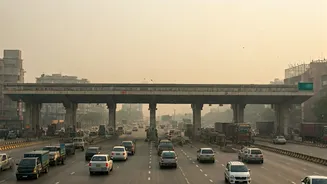
The Supreme Court's push to shut down nine toll plazas is a significant step towards managing Delhi's pollution. These toll plazas are known for contributing to traffic bottlenecks, which in turn exacerbate air pollution. By eliminating these points of congestion, the court aims to facilitate smoother traffic flow, reduce emissions, and enhance air quality throughout the region. This decision has the potential to significantly impact commuters and the overall environmental conditions in Delhi.
Environmental Concerns Addressed
Delhi's environmental challenges are a major focus for the Supreme Court. The court's recent directive underscores the urgency of addressing pollution. The decision to close toll plazas directly addresses the issue of vehicular emissions and traffic congestion, which are major contributors to poor air quality. This action is one element in the broader strategy to safeguard the environment and improve the quality of life for Delhi's residents.
Impact on Delhi-NCR
The Supreme Court's directives have far-reaching implications across the Delhi-NCR region. The closure of nine toll plazas will impact traffic patterns and air quality, affecting both commuters and residents. The goal of this decision is to create a more sustainable and healthier urban environment. This intervention demonstrates a commitment to sustainable development and environmental protection within the Delhi-NCR area.