







The Initial Confrontation
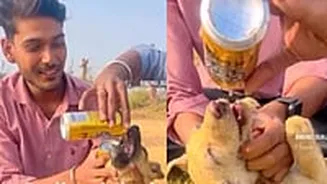
The incident unfolded in Jaipur when a woman observed a man feeding stray dogs in a public area. Her immediate response was to confront him, emphasizing
that if he intended to care for the dogs, vaccination should be a priority. This interaction was captured on video, quickly gaining traction on social media platforms. The video showed the woman firmly stating her concern and asking the man to ensure the dogs were vaccinated. Her words reflected a concern for public health and responsible animal care, sparking varied reactions online. The woman's direct approach highlighted the ongoing challenge of managing stray animal populations and the importance of health protocols. This initial encounter set the stage for a broader discussion about how communities can effectively look after strays while ensuring everyone's well-being. The video served as a catalyst for examining the balance between compassion and practical responsibility in urban environments.
Focus on Vaccination
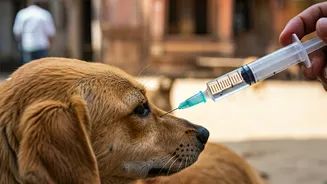
The central point of the woman's argument revolved around the importance of vaccination for stray animals. She insisted that before the man started feeding them regularly, the dogs needed vaccinations. This stance underscores a crucial aspect of animal welfare, where preventive healthcare plays a pivotal role in maintaining the health of the animals and preventing the spread of diseases. Vaccinations are essential to protect animals from various illnesses. This demand also reflected a broader concern for public health, as unvaccinated animals can pose risks to humans, potentially transmitting diseases. The woman's insistence on vaccination pointed to the need for a more comprehensive approach to managing stray animals, combining humane treatment with proactive health measures. Her perspective reflects a responsible and informed approach to animal care, highlighting the importance of the health aspect in addition to feeding and caring for stray animals. This focus on vaccination showcased a practical concern for the well-being of both the animals and the community, emphasizing the interconnectedness of animal and human health.
Social Media Reaction
The video of the confrontation quickly spread across various social media platforms, triggering a wide range of responses. The online reactions varied, with some users supporting the woman's position and others criticizing her approach. Those who agreed with the woman praised her for highlighting the significance of vaccinations and promoting responsible animal care. They emphasized the need for a balanced approach to animal welfare, which considers both the animals' well-being and the health of the community. Conversely, some commenters criticized the woman, viewing her actions as insensitive or overly aggressive. These individuals might have argued that kindness and empathy should be prioritized over strict regulations, particularly when dealing with stray animals. The diverse range of opinions showcased the complexity of the issue, with different people holding different values and viewpoints on animal care and community responsibility. Social media amplified the voices of the citizens, creating a platform for a lively debate.
Broader Community Impact
The incident in Jaipur has prompted a broader discussion about community responsibility toward stray animals. It has underscored the necessity for clear guidelines and regulations regarding animal care, including vaccinations, sterilizations, and proper feeding practices. The woman's actions brought attention to the importance of citizens’ participation in addressing animal welfare, emphasizing the need for a collaborative approach involving local authorities, animal welfare organizations, and community members. This debate highlighted the importance of responsible pet ownership and the challenges of managing stray animal populations. It also raised questions about the roles and responsibilities of different stakeholders in addressing these issues. The incident served as a reminder that effective animal welfare requires a multifaceted strategy, incorporating care, health, and a shared responsibility. By emphasizing the need for public health measures, such as vaccination, the incident also underscored how animal welfare and public health are often intertwined, and need consideration in tandem.